
Gardens Property, Cape Town: Pricing the Gradient
Gardens is a street-position market. Kloof Street frontage, the quiet mid-slope and the upper reaches are three products at three prices that let differently.
By Cape Town Invest Editorial · Updated September 7, 2026 · 10 min read
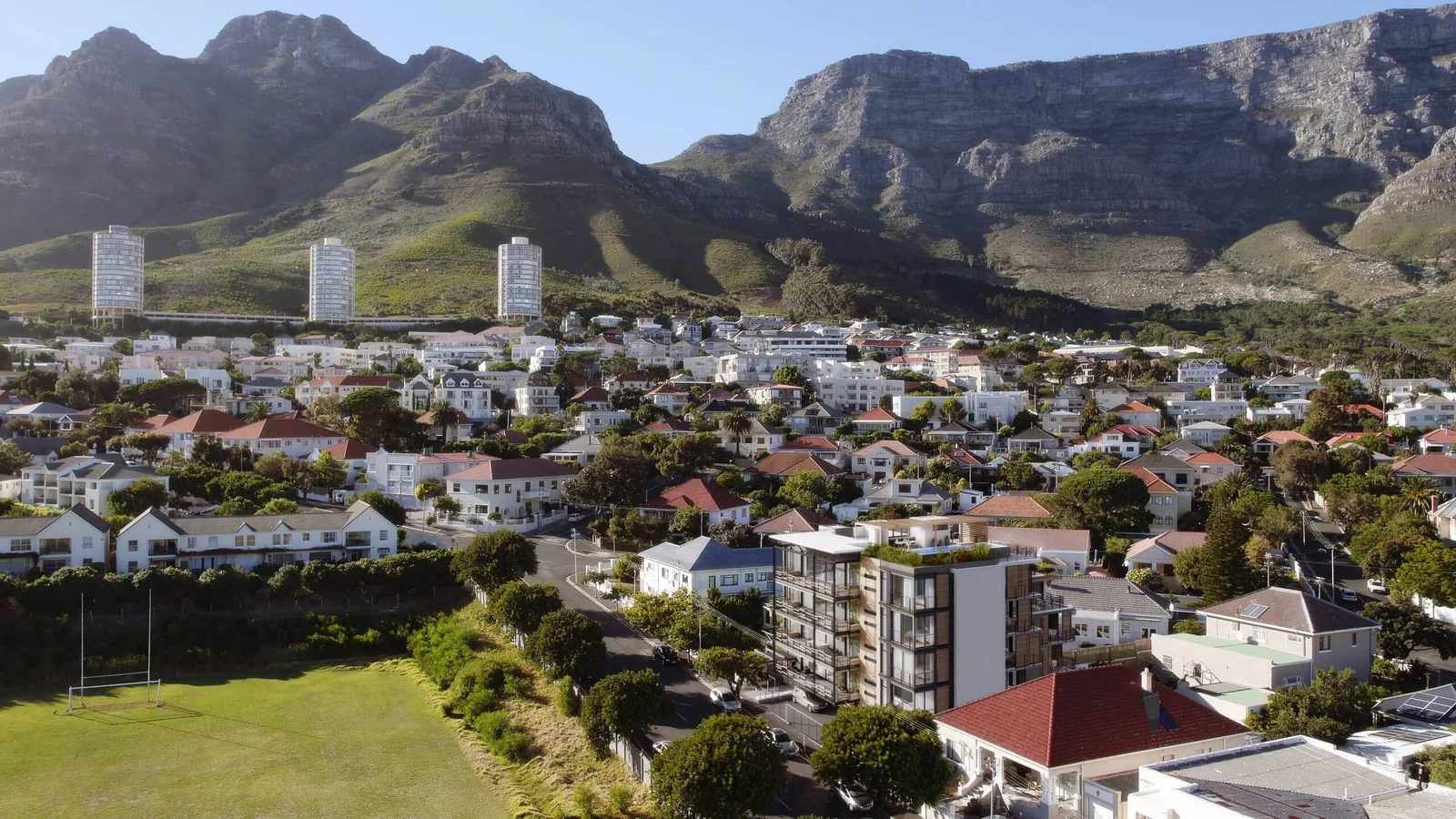
Quick answer: Gardens is priced by street position rather than by suburb. The Kloof Street spine, the quiet mid-slope and the upper reaches below the mountain are three separate products with three tenant pools and three price levels, and the spread between them inside one suburb is wider than the spread between Gardens and its neighbours. Buying the right position matters more here than buying the best-presented unit.
What are the three positions, and how do they differ?
Gardens is not one market. The suburb runs from a busy commercial spine up a mountain slope, and the three bands along that climb behave differently enough that a buyer should choose between them explicitly rather than by accident.
| Position | Character | Tenant | Trade |
|---|---|---|---|
| Kloof Street frontage and first block | Restaurants, bars, retail, late activity | Short-stay, young professionals | Highest rent per square metre, highest turnover, noise |
| Mid-slope, two to five streets up | Quiet residential, still walkable | Professionals, couples, remote workers | The best balance of rent and stability |
| Upper reaches below the contour path | Views, steep streets, very quiet | Families, long tenancies | Prices outrun rents, parking hardest |
Cape Town Invest treats this as the suburb’s defining decision. Two apartments of identical size and finish, one on the first block off Kloof Street and one four streets up, are different investments with different tenants, different void patterns and different resale audiences, and the listing photographs will not tell them apart. Walk the final approach before you offer.
Why does the mid-slope usually win on yield?
Because it captures what the tenant pool is paying for and avoids what it discounts. Walkability to food, gyms, work and transport is the reason people rent in Gardens, and it survives four streets from Kloof Street. Late-night noise does not follow them that far.
The frontage band earns the highest headline rent and gives some of it back through turnover: short tenancies mean more voids, more re-letting cost and more wear. The upper band produces the calmest tenancies and the weakest ratio, because a buyer pays for the view and a tenant does not pay proportionally for it. In between, the mid-slope combines a rent close to the frontage band with tenancies closer to the upper one. Gardens overall models about 7.8% gross and 5.7% net, and our analysis of bowl stock puts most of the variation around that figure down to position rather than to the building. The rental yield guide covers the modelling method.
How much is parking actually worth here?
Enough to change a letting decision, which is unusual. Street parking near the Kloof Street end is scarce and contested, and on the steepest upper blocks it is scarce and impractical at the same time, so a secure bay stops being a convenience and starts being a requirement for a large share of tenants.
The practical effects are three. A unit with a dedicated secure bay lets faster than an otherwise identical unit without one. The rent difference is real rather than notional, because a tenant without a bay is choosing to park on a steep street and walk the last stretch. And at resale the same logic repeats with the next buyer. Insider tip: check whether the bay is owned, exclusive-use or merely available, because the three are different rights and only the first two transfer reliably with the property.
Who rents in Gardens, and how does the year run?
Professionals and remote workers who want to live without a daily commute, plus a steady share of short-stay visitors on the Kloof Street side. That pool is the deepest in the City Bowl and it is not tied to any single employer, precinct or regulation, which makes it unusually stable.
The year runs flat rather than seasonal, which is the main structural advantage over the Atlantic Seaboard. A Gardens apartment lets in June, when a beach suburb apartment does not, because its tenant is working nearby rather than visiting. That reliability is worth more than a percentage point of headline yield to a leveraged buyer, and it is why the bowl generally holds occupancy across a Cape Town winter. Where the by-law and body corporate rules matter is only for the portion of an owner’s plan that depends on nightly letting, which on the mid and upper slopes is usually none of it. For the wider market this suburb sits in, see the City Bowl guide.
What does the position gap look like in rands?
A worked example makes the spread concrete, and it is larger than most buyers expect within 400 metres of walking.
| Position | Indicative two-bedroom price | Achievable monthly rent | Implied gross |
|---|---|---|---|
| Kloof Street frontage | R2,900,000 | R21,000 | about 8.7% |
| Mid-slope | R3,200,000 | R21,500 | about 8.1% |
| Upper reaches | R3,900,000 | R22,000 | about 6.8% |
Read the last column carefully, because it inverts the intuition that the best street produces the best return. The frontage band shows the highest gross and gives much of it back through turnover: tenancies of 9 to 12 months rather than 2 to 3 years mean more voids, more agent commission and more wear. The upper band shows the weakest gross because a buyer pays for a view a tenant will not fund. The mid-slope carries a gross close to the frontage with the tenancy length of the upper band, which is the combination that survives a decade of ownership. The pros and cons of each position are genuinely different rather than better and worse, and the right answer depends on whether an owner is optimising for income now or for a quiet asset.
What does the stock look like at each level?
Stock type tracks the gradient as reliably as price does, and it narrows a buyer’s options once a position is chosen.
- Frontage and first block: compact apartments and converted upper floors above retail, typically studio to two-bedroom, highest density.
- Mid-slope: a mix of walk-up blocks, small schemes and semi-detached houses, the widest choice in the suburb.
- Upper reaches: larger apartments, freestanding houses and a handful of period properties, with the steepest access.
A buyer with a fixed budget therefore chooses stock and position together rather than separately, and the practical sequence is to settle the position first. Our reading is that most disappointing Gardens purchases come from doing it the other way around: falling for a unit and accepting its street. For the suburb immediately west with a steeper gradient again, see the Tamboerskloof page; for how sectional title obligations work in the walk-up blocks that dominate the mid-slope, the levies guide; and for what a purchase costs a foreign buyer, the pillar investment guide.
Sources: modelled yields are Cape Town Invest estimates built from listing prices and observed long-let rents rather than audited accounts, and are directional. Position, noise and parking observations describe the Gardens market generally rather than any specific property. Walk the street at the hour a tenant would use it and confirm parking rights before offering. Current as at 27 August 2026.
Frequently Asked Questions
Street position on the slope, more than size or finish. Gardens runs from the Kloof Street commercial spine up toward the mountain, and three distinct positions exist: frontage on or immediately off Kloof Street, the quiet residential mid-slope, and the upper reaches below the contour path. They carry different noise, different walkability, different parking pressure and different tenants, and the price gap between them inside the same suburb is wider than the gap between Gardens and its neighbours.
The mid-slope, in most cases. Kloof Street frontage commands the highest rent per square metre but carries noise, the smallest units and the highest turnover, while the upper reaches attract longer, quieter tenancies at rents that do not keep pace with their prices. The mid-slope captures walkability without the noise, which is what the largest slice of the tenant pool actually wants. Gardens as a whole models around 7.8% gross and 5.7% net.
More than in most Cape Town suburbs, and it increases as you climb. Street parking near Kloof Street is scarce and contested, and on the steeper upper streets it is both scarce and impractical. A secure parking bay is one of the few features that reliably adds rent here rather than merely adding appeal, and a unit without one competes at a discount to an otherwise identical unit with one.
Professionals and remote workers who want to walk to work, food and gyms, plus a steady share of short-stay visitors on the Kloof Street side. That pool is deep and it renews year-round rather than seasonally, which is why the City Bowl generally and Gardens specifically hold occupancy better than the beach suburbs across a Cape Town winter.
It is the most forgiving one. The tenant pool is the deepest in the bowl, stock ranges from compact apartments to family houses so a buyer can enter at several price points, and the walkability that drives demand is not dependent on any single employer, precinct or regulation. The main discipline is choosing the street position deliberately rather than buying the best-presented unit in the wrong one.
Noise exposure at the hour the tenant would experience it, since Kloof Street runs late; the gradient on the approach, because a steep final block changes daily use and parking; whether a secure bay is included or merely available; and the body corporate's position on short-term letting if any part of the plan depends on nightly income.
Get a Cape Town property shortlist
Share your budget, target area (Atlantic Seaboard, City Bowl, Winelands), and goal. We reply within one business day with matched stock and next steps.