
Cape Town property investment guides
79 pages · updated August 2026
79 guides
Start here
The pillar guides most foreign buyers read first.


Costs and taxes
What you pay once at purchase, and what recurs every year.





Rental income and short-term letting
Yield mechanics, Airbnb rules, tenants and management costs.



Market data and area selection
Prices, forecasts and where the numbers point.





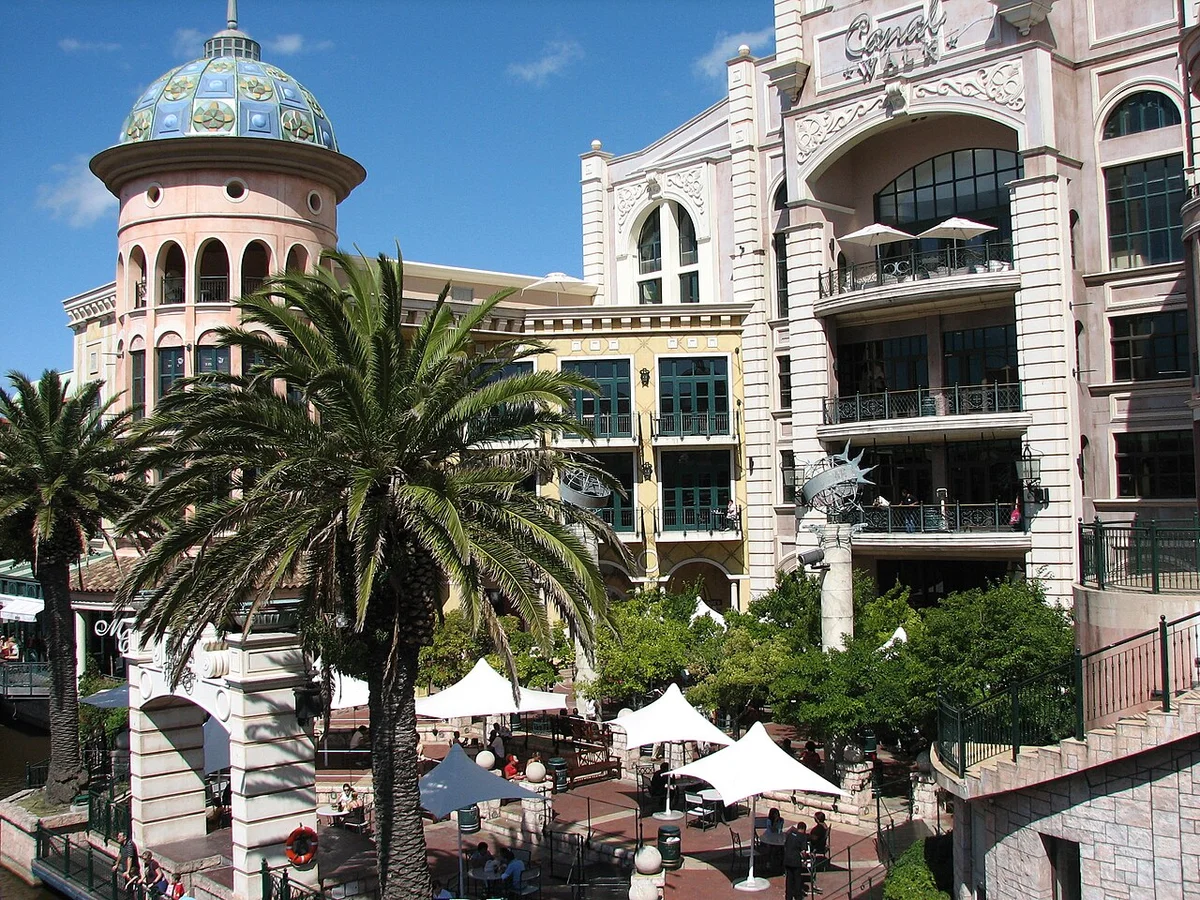
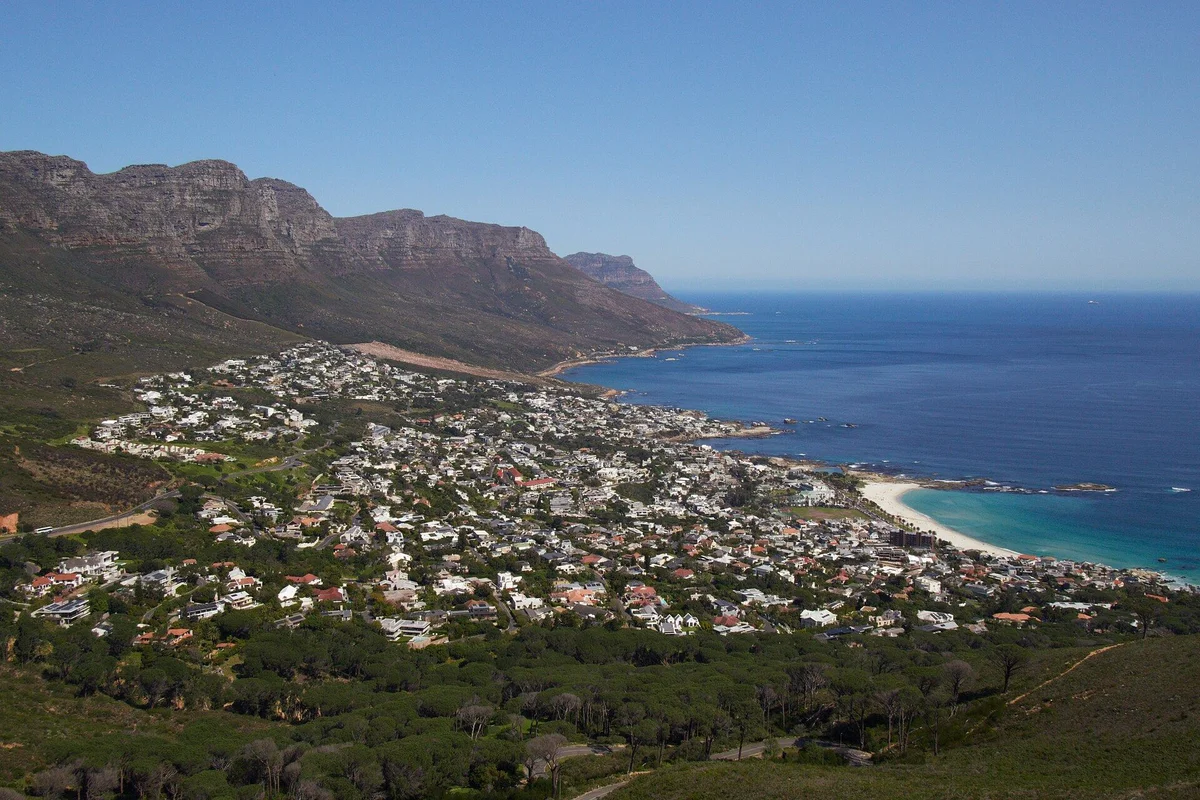

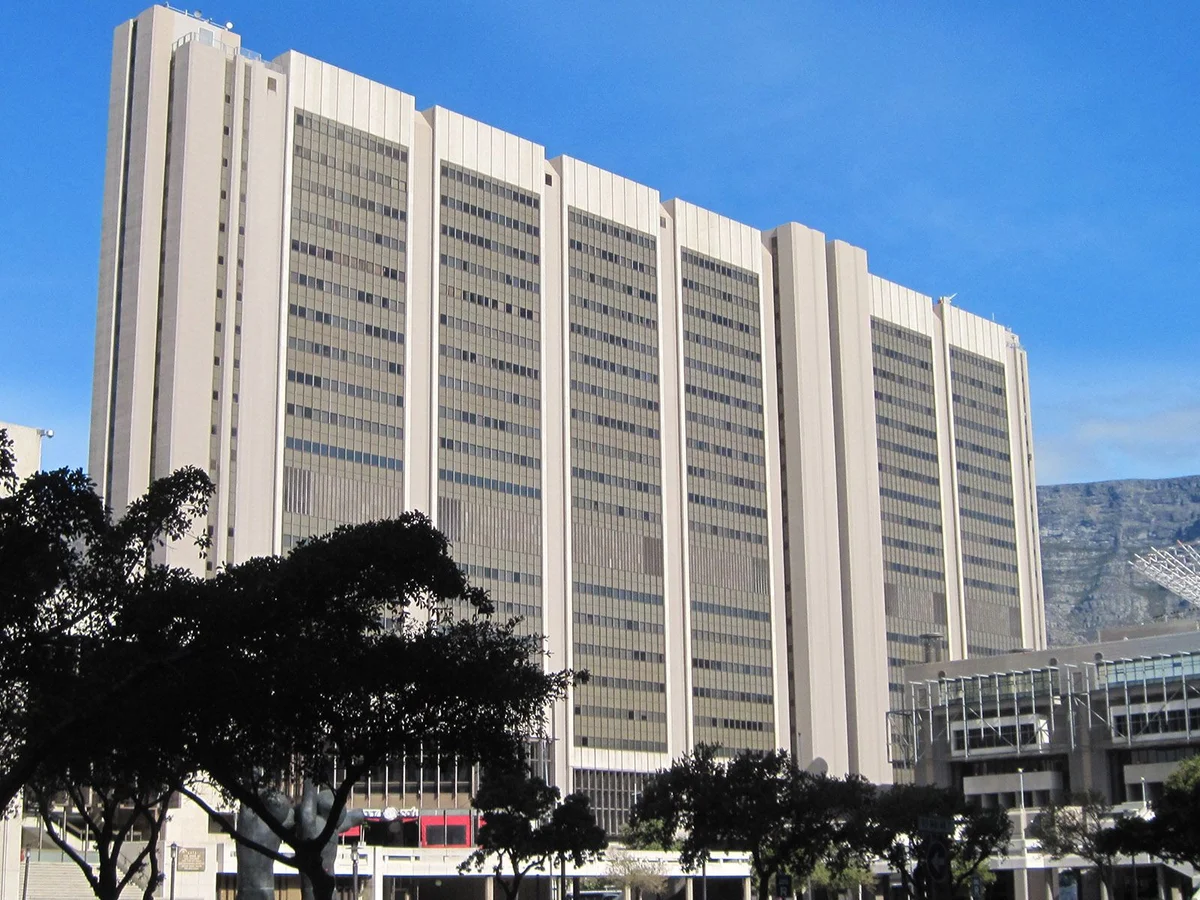
Finance and money transfer
Bonds for non-residents, exchange control and paperwork.

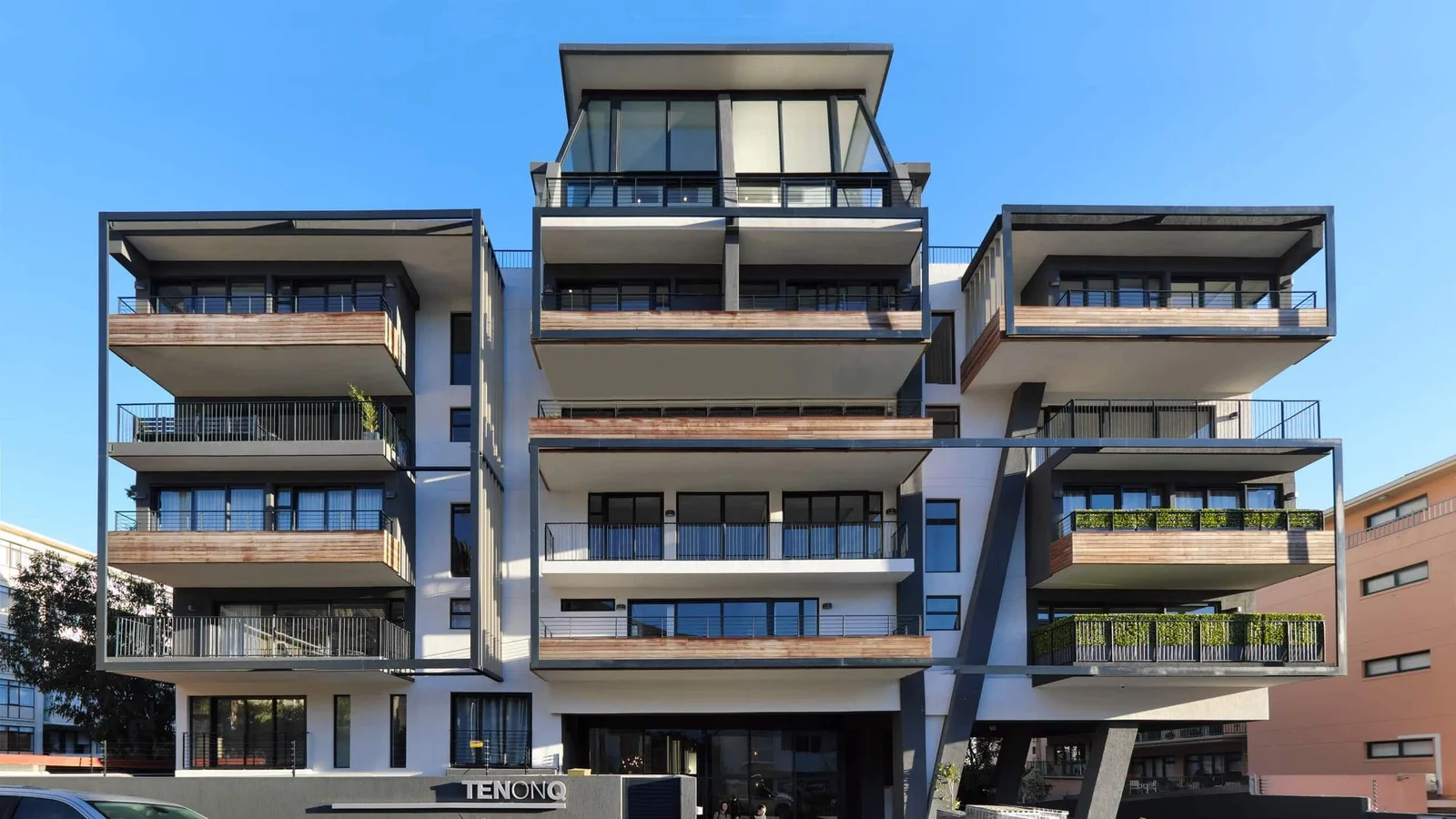



Selling and exit
Withholding tax, seller costs, the transfer clock and moving proceeds abroad.

Visas, residency and relocation
Property does not grant residency. These are the routes that do.





New builds and due diligence
Off-plan risk, warranties, body corporate checks and scams.
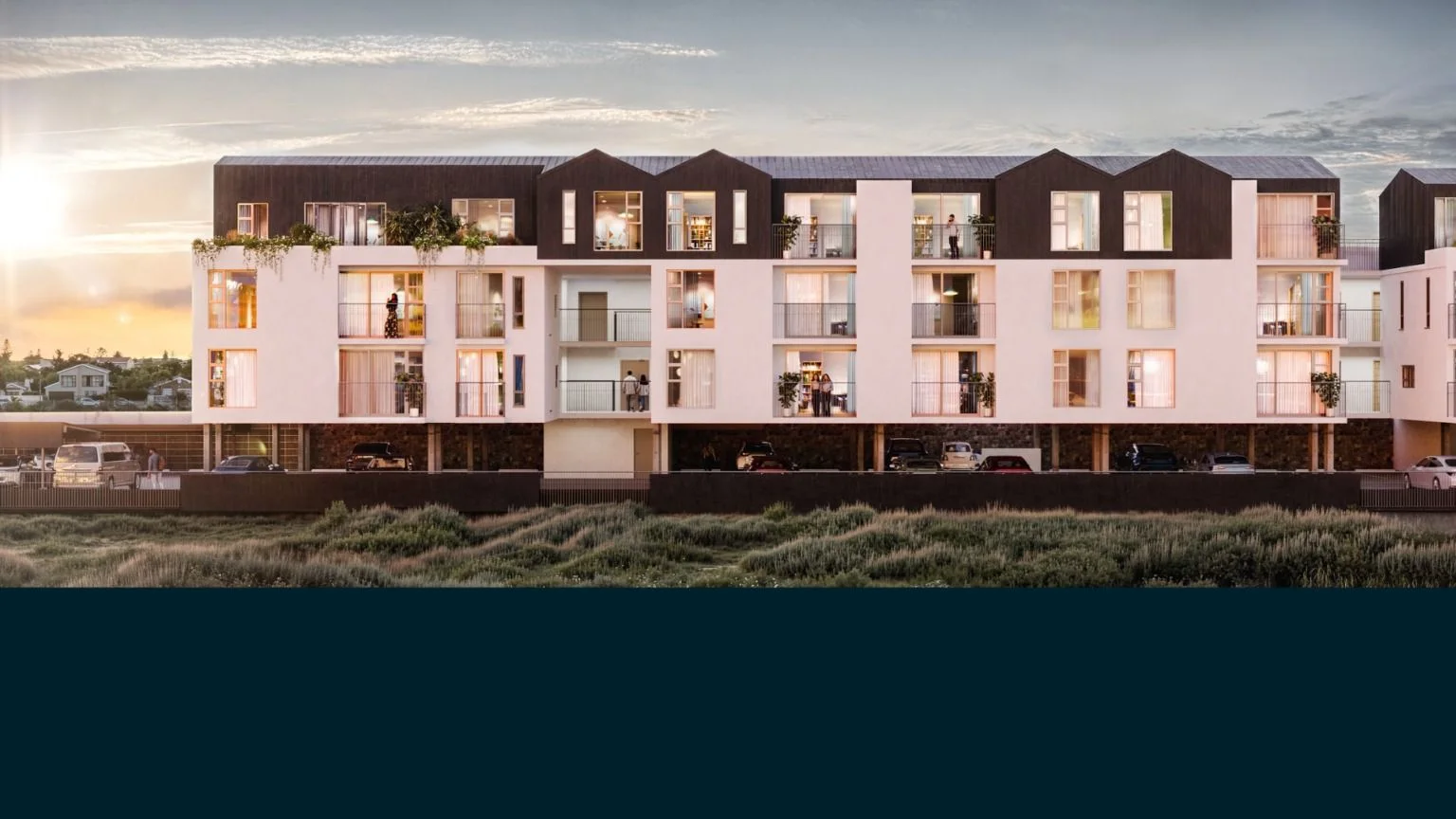


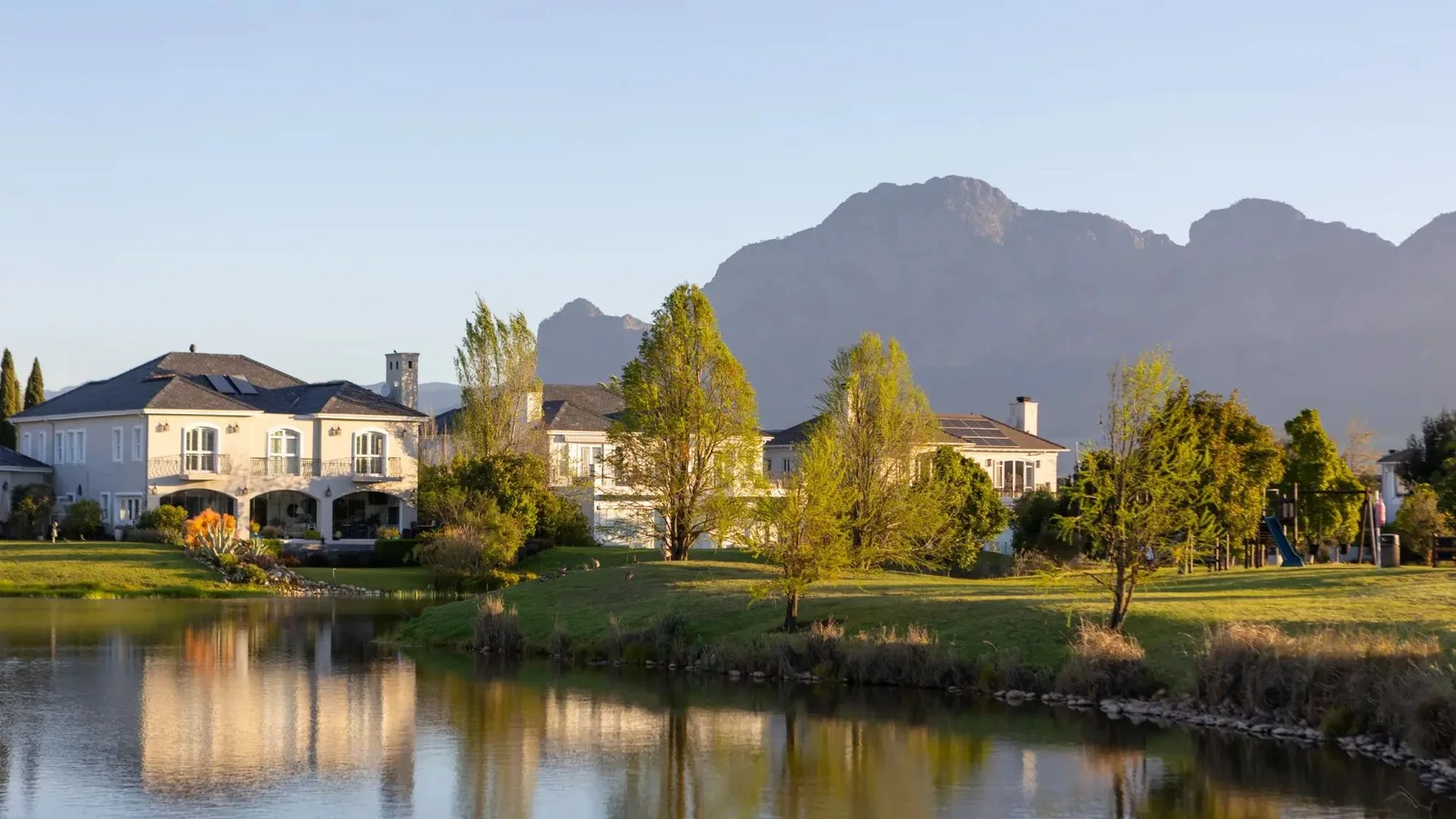

Adjacent asset types
Land, farms, commercial stock and retirement housing, which follow different rules from a flat.

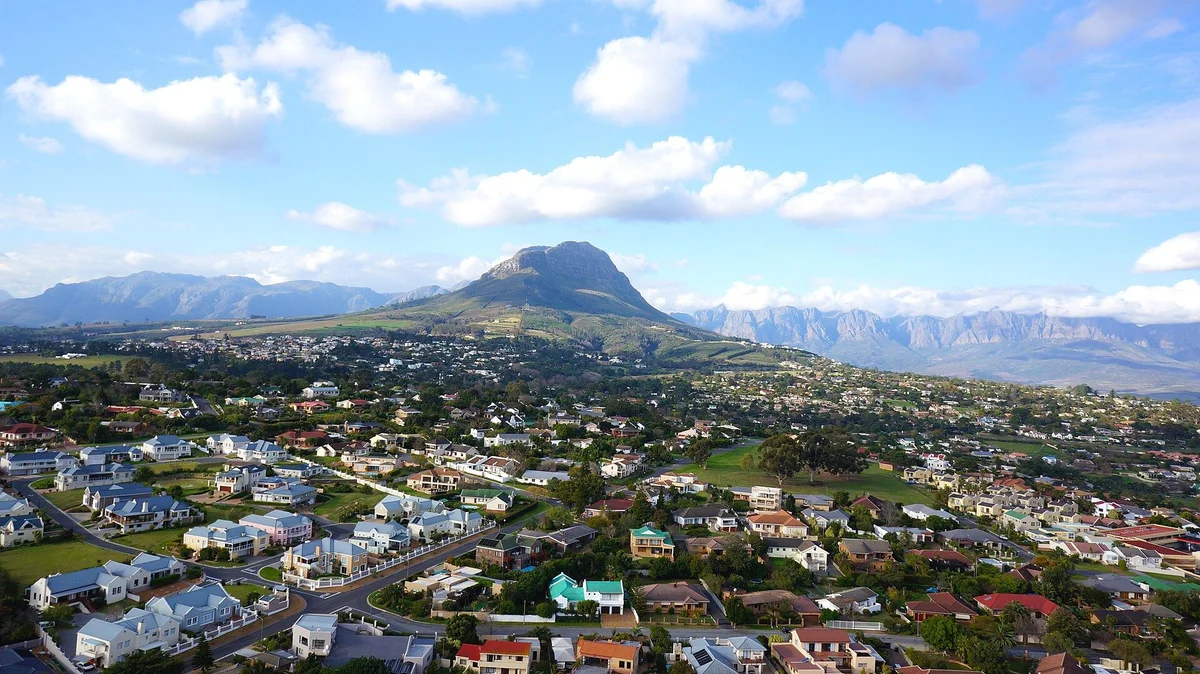
Living costs and infrastructure
Load shedding, water and the running realities that move net yield.

More research
Additional guides in this collection.

No guides match that search.
Frequently Asked Questions
Yes. Non-residents can buy freehold and sectional title property in South Africa with no foreign buyer surcharge, unlike the UK or Singapore. You do not need a visa or residency to own property. Practical constraints are financing, where non-residents typically borrow up to about half the purchase price locally, and exchange control record-keeping so funds can be repatriated cleanly on sale.
Budget transfer duty on the SARS sliding scale, which starts above R1,210,000 and rises to 13% on the top band, plus conveyancing fees, bond registration if you finance, and FICA compliance costs. Once you own, municipal rates run roughly 0.69 cents per rand of municipal value per year after the first R450,000 is exempt, and sectional title owners add a monthly levy.
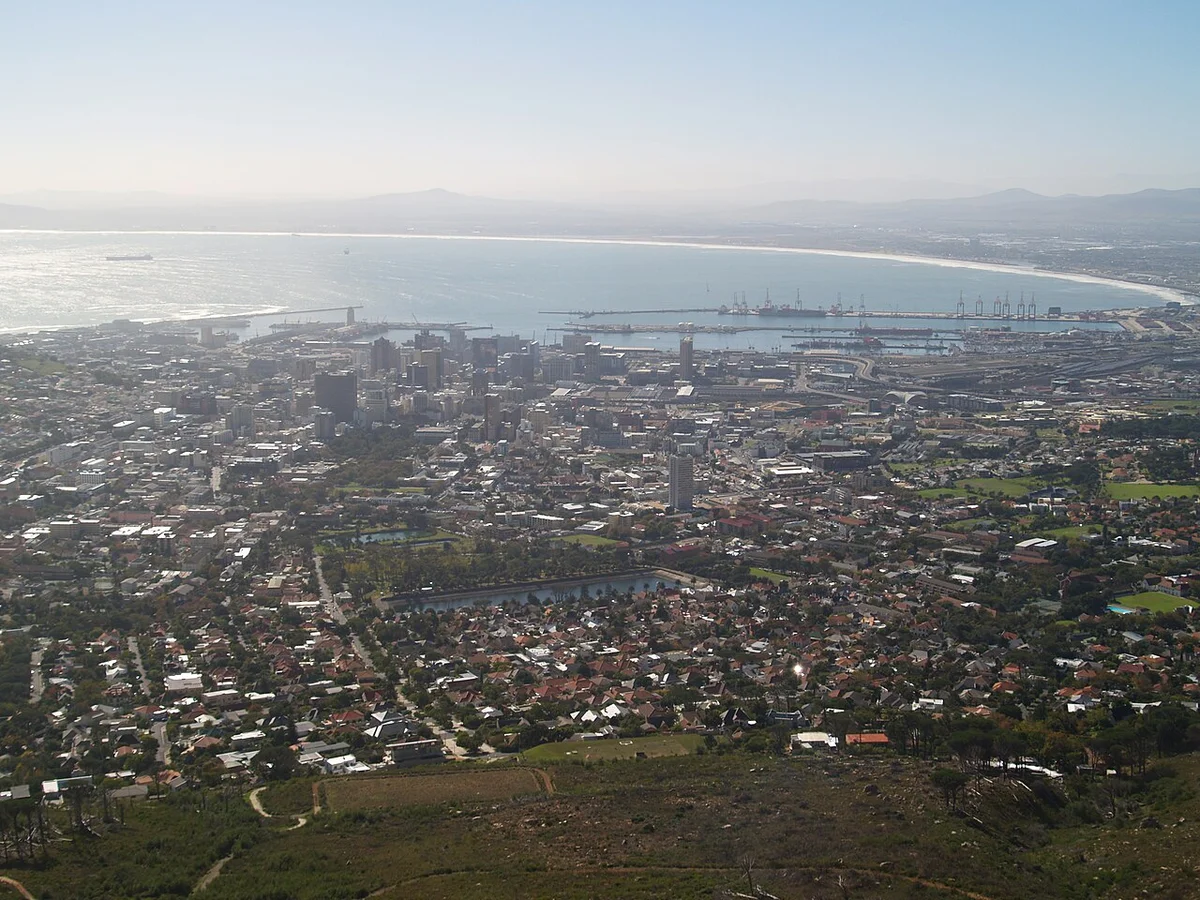
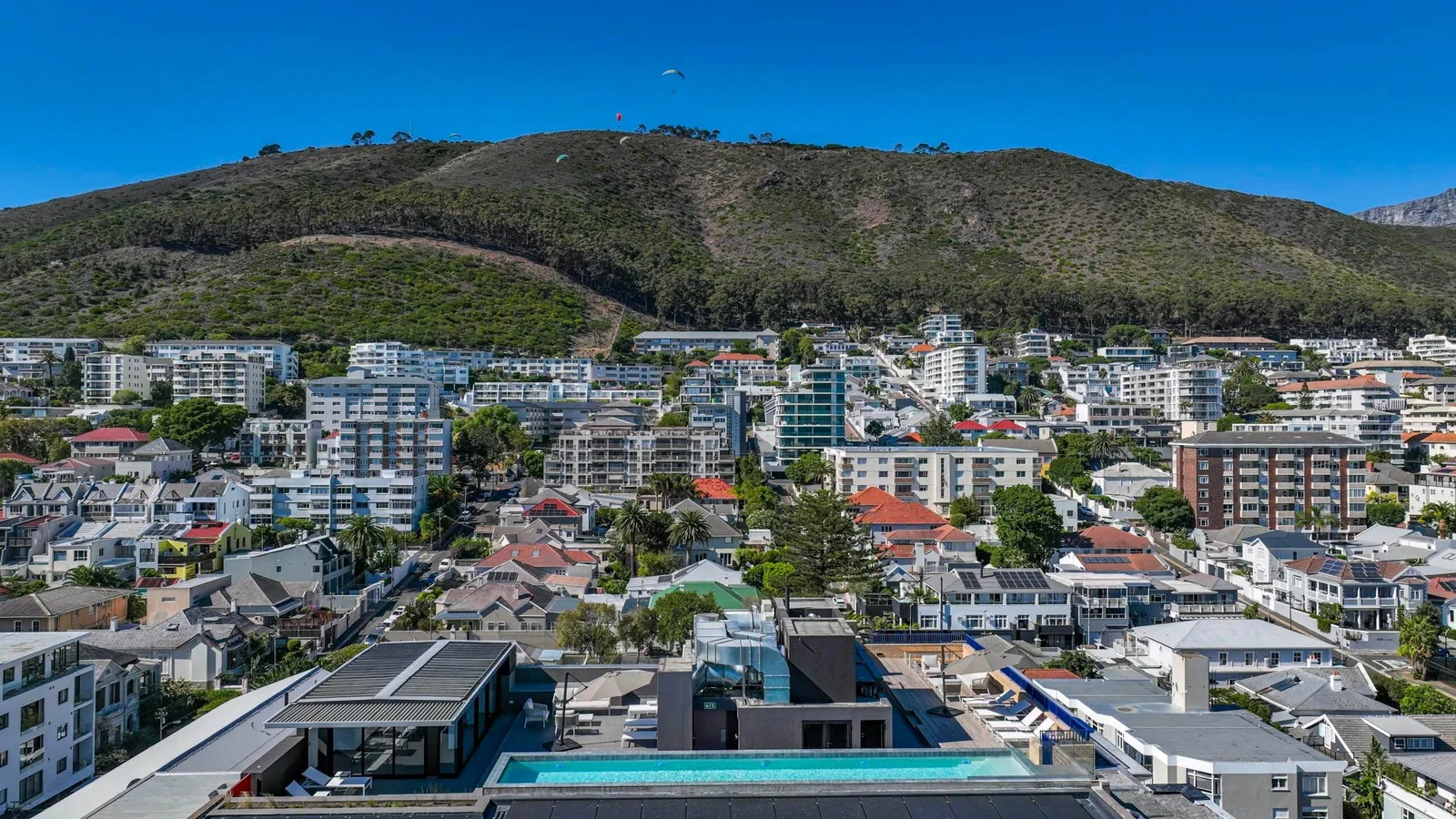
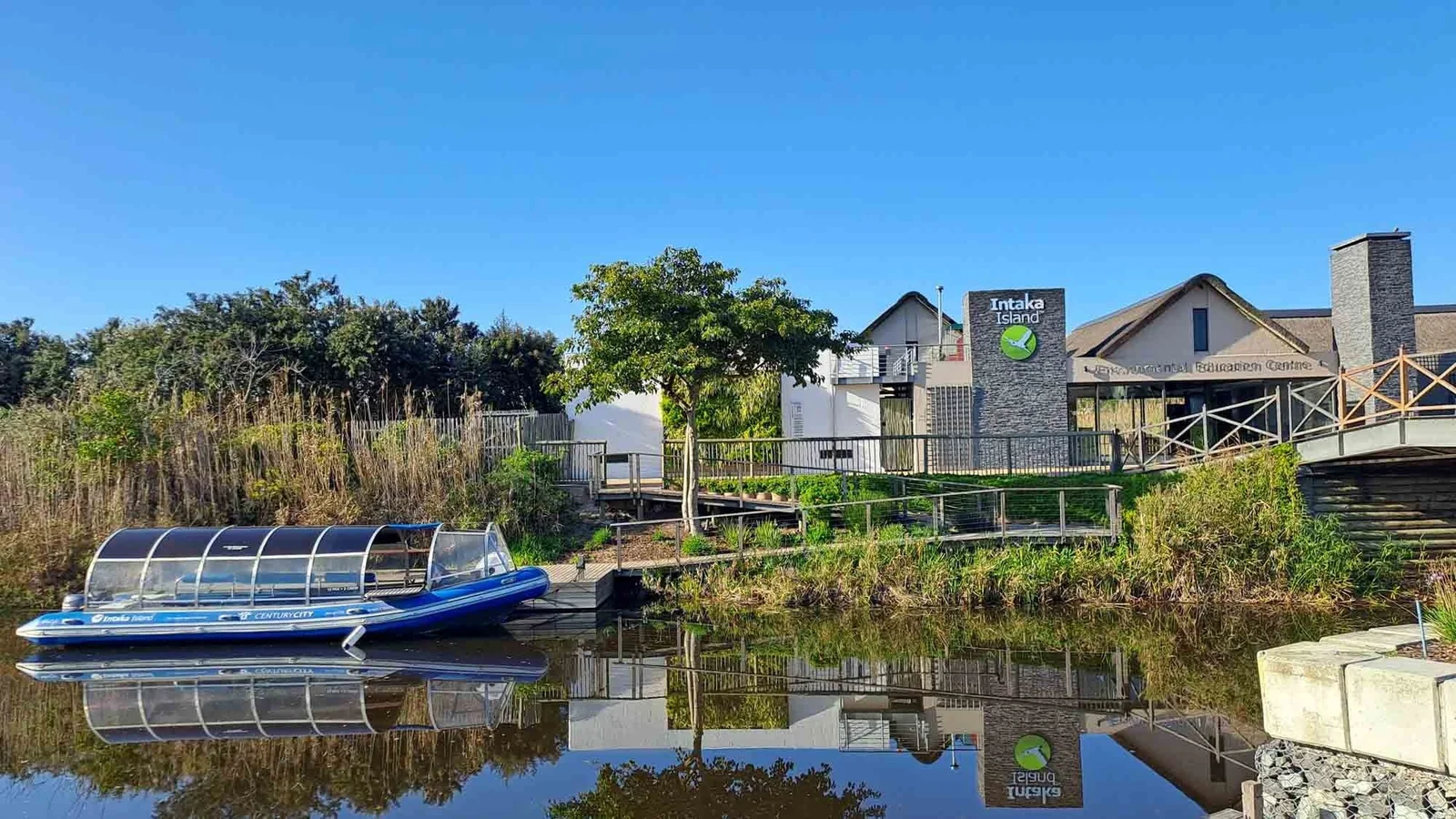
Income tends to concentrate away from trophy beachfront. Higher-yield nodes include Woodstock, Sea Point mid-market stock, Century City and Blouberg, where entry prices sit closer to achievable rents. Prime Atlantic Seaboard suburbs such as Camps Bay and Clifton model lower net yields because entry prices run at multiples of the metro median. All yields on this site are modelled and directional.
No. Property ownership is not a residency route in South Africa. Buyers who want to live here apply separately through visa categories such as the remote work visa, the retired person visa, or the financially independent permit, each with its own income or net worth test. Plan the property purchase and the immigration application as two parallel tracks.
Get a Cape Town property shortlist
Tell us budget, target area and goal. We reply within one business day with matched stock and next steps.