
Due Diligence on Cape Town Property: 2026 Checklist
Cape Town due diligence checklist: title search, levy audit, body corporate rules, zoning, plans, load-shedding, leases and seller disclosure for 2026 buyers.
By Cape Town Invest Editorial · Updated September 3, 2026 · 17 min read
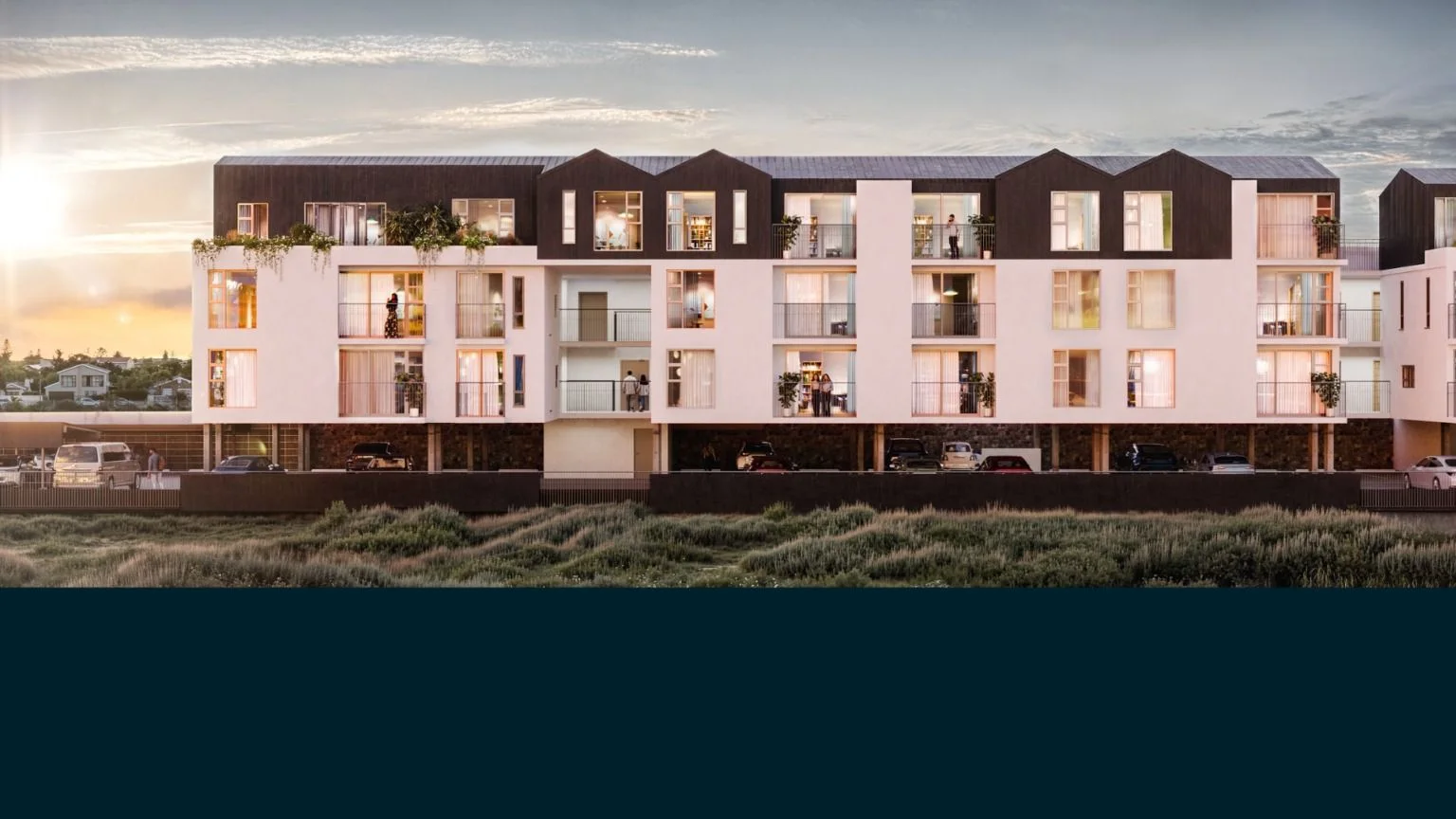
Quick answer: Due diligence on a Cape Town property means verifying its legal title, financial health, and physical condition before your Offer to Purchase goes unconditional. The non-negotiable checks are a Deeds Office title deed search, a sectional title levy and reserve audit, body corporate rules, City of Cape Town zoning, approved building plans, water and electricity status including the load-shedding zone, tenant leases, and the seller’s written disclosure.
What due diligence on Cape Town property actually means
The word covers three separate investigations that happen to run at the same time. Legal due diligence establishes that the seller can transfer clean title and that nothing registered against the property blocks your intended use. Financial due diligence establishes what the property will cost you to hold, which in sectional title means the body corporate’s books rather than the levy figure on the listing. Physical due diligence establishes that what you inspected matches what the City has approved and that the building works.
The timing is what makes it real. South African practice puts these checks inside the suspensive condition period of the Offer to Purchase, the window between signature and the point where the deal becomes unconditional. Before that point you can walk away on a properly drafted condition. After it, and certainly after registration at the Deeds Office, you own every defect, every unauthorised structure, every outstanding levy, and every sitting tenant on their existing terms.
The practical constraint is that a typical transfer runs 8 to 12 weeks in total, and your conditional window is a fraction of that. Nobody has time to run these checks sequentially, waiting for one document before requesting the next. Request everything on day one after signature and work the responses in parallel. Buyers who lose deals to a deadline usually lost them by asking for the body corporate pack in week three.
What does the Cape Town due diligence checklist cover at a glance?
Cape Town due diligence spans nine areas you should complete inside the suspensive condition window before your Offer to Purchase goes unconditional: a Deeds Office title search confirming the registered owner and any servitudes, a sectional title levy audit covering reserve fund balance and special levy history, body corporate conduct rules that may ban short lets or pets, City of Cape Town zoning matching your intended use, approved building plans compared to what is on site, water and electricity checks including load-shedding zone and borehole registration, existing tenant leases that transfer with the sale, seller disclosure forms compared against your inspection report, and early conveyancer appointment with a satisfactory due diligence clause in the OTP. Skipping any row can cost more than the purchase saving you hoped to make because once you register at the Deeds Office you inherit every defect, unauthorised structure, outstanding levy, and sitting tenant. Typical transfer runs 8 to 12 weeks, so parallel document requests on day one after signature keep the whole timeline intact.
Most of the work falls into nine areas. The table below is the spine of this guide, showing what to check, who usually does it, and the risk if you skip it.
| Due diligence area | Who runs the check | Risk if skipped |
|---|---|---|
| Title deed search | Conveyancer or deeds search | Buying from someone who cannot legally sell |
| Sectional title levy audit | Buyer reviews financials | Inheriting a looming special levy |
| Body corporate rules | Buyer reviews conduct rules | Banned pets, short-lets, or renovations |
| Zoning and land use | Conveyancer or town planner | Illegal use, blocked future plans |
| Approved building plans | Buyer and municipality | Unauthorised structures become your liability |
| Water and electricity | Buyer and inspection | Load-shedding, water security, billing arrears |
| Tenant leases | Buyer and conveyancer | Inheriting a bad or below-market lease |
| Seller disclosure | Buyer reviews form | Latent defects with no recourse |
| Conveyancer selection | Buyer appoints early | Slow, conflicted, or careless transfer |
Work through every row before the suspensive conditions expire. A single unchecked item can cost more than the entire purchase saving you hoped to make.
| Benchmark | Figure | Why it matters in DD |
|---|---|---|
| Typical transfer window | 8-12 weeks | Suspensive conditions must finish inside this window |
| Day Zero drought peak | 2018 | Buyers still check water backup after restrictions |
| Sectional title reserve plan | 10 years | Underfunded schemes raise special levies fast |
| Non-resident bond ceiling | 50% LTV | Finance due diligence must match exchange control |
| Prime-linked bond context | ~11% in 2026 | Tenanted yield must clear debt service if leveraged |
| Tourist entry for viewings | 90 days | Enough time on a standard passport to inspect and sign |
| Transfer duty zero band | 0% under R1.21m | DD budget must include progressive duty above this |
| New-build VAT alternative | 15% | Confirms whether duty or VAT applies before you waive conditions |
| Bond registration VAT | 15% | Budget bond attorney fees with VAT if you finance |
How do you run a title deed search at the Cape Town Deeds Office?
A Cape Town Deeds Office title search is ordered by your conveyancer against the erf number, or the scheme name and unit number for sectional title, and the record returns within 1 to 2 days. Read four fields: registered owner, property description and extent, bond holder and outstanding balance, and endorsements.
- Registered owner. Match the name and identity or company registration number against the person signing your Offer to Purchase.
- Property description and extent. Confirms whether the boundaries and erf size match the listing.
- Bond holder and outstanding balance. The seller’s bank must consent to cancellation, and the proceeds must cover the balance.
- Endorsements. Servitudes, restrictive title conditions, interdicts, or caveats.
The endorsements are where the surprises live. A servitude may give a neighbour a right of way across the driveway or a municipality a pipeline route under the garden. A restrictive condition in an older Cape Town title can prohibit subdivision or limit the property to a single dwelling, which quietly kills a plan to add a cottage. An interdict means somebody has a legal claim that blocks transfer entirely.
Order the search before you release any deposit. It costs a few hundred rand against a purchase of R2,000,000 or more, and you should never accept a scanned title deed supplied by the seller as a substitute. The Deeds Office record is the version that governs, and it is the only one a fraudster cannot edit.
What should a sectional title levy audit cover before you waive conditions?
| Document to request | What it reveals |
|---|---|
| Latest audited financials | Whether the scheme runs a surplus or deficit |
| Reserve fund balance | Capacity to fund major repairs without a special levy |
| 10-year maintenance plan | Upcoming big-ticket works and their timing |
| Special levy history | A pattern of unplanned, recurring extra costs |
| Latest AGM minutes | Disputes, planned increases, governance quality |
| Levy roll and arrears | How many owners are behind on levies |
Three ratios turn that document pack into a decision. The first is the reserve fund as a share of annual levy income: schemes carrying 40% to 50% can usually fund major works from reserves, while anything under 25% is one lift motor or one failed roof away from a special levy. The second is reserves per home, found by dividing the reserve balance by the unit count. A scheme holding R2.4 million across 80 units has R30,000 a home behind it, enough to face a facade repair. A scheme holding R600,000 across 120 units has R5,000 a home, which funds almost nothing. The third is the arrears rate on the levy roll, because once 15% to 20% of owners are behind, the scheme is running cash-short and the shortfall is redistributed to the owners who do pay.
Read the 10-year maintenance plan against those ratios rather than on its own. A plan that schedules roof waterproofing in year three only reassures if the reserve is visibly being funded toward it. Then read the AGM minutes for what the trustees intend to do about any gap. Under the Sectional Titles Schemes Management Act a special levy does not require your consent as an incoming owner, and material decisions on common property need a 75% special resolution of the members who are there to vote, not of you. Both bind you from transfer day.
What body corporate conduct rules can kill your investment plan?
Body corporate conduct rules bind you from the moment of transfer and can ban short-term letting, pets, exterior alterations, or satellite dishes. Changing them needs a 75% special resolution under the STSMA, so a rule that blocks your short-let plan is effectively permanent. Atlantic Seaboard and City Bowl blocks have tightened Airbnb-style letting even where area demand stays strong.
Five restrictions decide whether your plan survives the transfer:
- Short-term letting, banned outright in some schemes and capped in others
- Pets, exterior alterations, satellite dishes, and blind colours visible from outside
- Trustee approval thresholds for renovations inside your own section
- Parking and visitor bay allocation, which is rarely what the marketing implies
- Who may occupy the unit, which can exclude a corporate let
For investors this is decisive. Many Atlantic Seaboard and City Bowl blocks have tightened or banned Airbnb-style short-letting, which can destroy a buy-to-let model built on holiday rentals. Read the conduct rules before you assume a short-let strategy works, and confirm the position in writing with the managing agent rather than relying on the marketing agent. Our Atlantic Seaboard area guide covers where short-let demand is strongest, but the building’s own rules always override the area trend.
A rule you discover after transfer is a rule you are stuck with, because reversing it needs 75% of the value of votes at a general meeting.
How do you verify City of Cape Town zoning and land use?
City of Cape Town zoning certificates confirm whether your intended use is permitted as of right, permitted with consent, or requires rezoning. Single residential zoning blocks a guesthouse or multi-unit letting without a departure, and any structure older than 60 years falls under heritage protection, so alteration needs Heritage Western Cape approval first.
Zoning is easy to overlook until it blocks your plans. A land use departure or rezoning is a slow and uncertain municipal process, and it is not a condition you want to discover after registration.
Confirm the current zoning with the City and match it to your intended use. If you plan to run a short-let business, add a cottage, subdivide, or convert a home into flats, the zoning scheme determines whether that is permitted as of right, permitted with consent, or prohibited. A town planner or your conveyancer can pull the zoning certificate and flag any overlay zones, heritage protections, or coastal management lines that add further restrictions, which are common close to the Atlantic Seaboard.
Heritage is a particular Cape Town trap. Structures older than 60 years, and anything in a designated heritage area, need Heritage Western Cape approval before you alter or demolish, even internally. That turns a quick renovation into a multi-month permitting exercise, and it applies to a large share of City Bowl and Atlantic Seaboard stock.
Why must you compare approved building plans to what is on site?
Approved building plans from the City of Cape Town are the only record of what may legally stand on the erf, and anything built without approval becomes your liability at transfer. An enclosed patio, converted garage, or unapproved cottage can void an insurance claim and block a future buyer’s bond on a R3,000,000 resale.
Obtain the approved plans and physically compare them to the structure in front of you. An extra bathroom, a granny flat, or a swimming pool that never reached the plan set is your legal problem the moment you take transfer.
Unauthorised work carries real consequences. The municipality can order you to legalise or demolish it, your insurer can decline a claim relating to non-compliant structures, and a future buyer’s bank may refuse to finance a property with material plan discrepancies. None of this is the previous owner’s problem once registration goes through; it is yours.
Commission an independent home inspection as well. A qualified inspector checks the roof, damp, structural cracks, electrics, and plumbing, and produces a report you can use to renegotiate or to walk away under a satisfactory inspection clause. Confirm which compliance certificates apply and that each is current, not recycled from a previous sale:
- Electrical compliance certificate, required on every residential transfer
- Gas certificate, where a gas installation is present
- Electric fence certificate, common on Southern Suburbs and Atlantic Seaboard homes
- Plumbing certificate, required by the City of Cape Town on transfer
- Beetle certificate, where the Offer to Purchase calls for it
What water and electricity checks are Cape Town-specific in 2026?
Cape Town-specific utility checks are four: load-shedding zone and stage exposure, backup power for pumps, security, and lifts, the water source, and whether rates and utility accounts are clear. Municipal rates apply above the first R620,000 of value, and arrears block the rates clearance certificate the Deeds Office requires.
| Utility check | What to confirm | Why it matters in Cape Town |
|---|---|---|
| Load-shedding zone | Schedule and current stage exposure | Determines hours without grid power |
| Backup power | Inverter, battery, solar, or generator | Keeps water pumps, security, and lifts running |
| Water source | Municipal, borehole, tank, or grey-water | Resilience during drought and restrictions |
| Account status | Rates and utility arrears cleared | Required for the City’s rates clearance certificate |
Tenant leases on a buy-to-let
A sale does not break a lease in South African law, so a sitting tenant’s agreement is binding on you from transfer day on exactly its existing terms. You cannot raise the rent, change the escalation, or end the tenancy because ownership changed. Underwrite the contracted rent for the remaining term and request 12 months of payment history.
Read the full signed agreement rather than a summary from the agent, and establish six things:
- Current rent and the escalation percentage, with its anniversary date
- Remaining term and any renewal option the tenant holds
- Deposit amount and where it is held
- Who carries utilities, maintenance, and levy-linked charges
- Arrears history across the last 12 months of rental statements
- Whether the managing agent’s mandate transfers with the property
Then check performance. Ask for the last twelve months of the rental statement showing payment dates alongside amounts, plus any correspondence about arrears or disputes. A tenant who pays in full but consistently late is a different asset from one who pays on the first.
Two arithmetic points decide whether the deal works. A lease materially below current market rent caps your income until it expires, so model your yield on the contracted rent for the remaining term rather than on what the unit could achieve vacant. And confirm the deposit is actually transferred to you at registration, since a deposit that never arrives becomes your liability at the end of the lease. Where you are letting through a managing agent, agree in writing who holds it from transfer day.
Seller disclosure and latent defects
South African sellers of residential property must complete a written disclosure form listing defects they know about, and it attaches to the Offer to Purchase. The distinction that matters is between patent defects, which a reasonable inspection reveals, and latent defects, which are hidden: damp behind a cupboard, a failing roof structure, a plumbing leak under a slab.
| Defect type | Who carries it | What settles the argument |
|---|---|---|
| Patent, visible on inspection | Buyer, under voetstoots | The inspection report you commissioned |
| Latent, and the seller knew | Seller; voetstoots does not cover concealment | The signed disclosure form |
| Latent, and nobody knew | Buyer, under voetstoots | Nothing, so price the risk before you waive |
Most Cape Town offers include a voetstoots clause, meaning the property sells as it stands. That clause protects an honest seller from liability for defects nobody knew about. It does not protect a seller who knew about a defect and deliberately concealed it, and the completed disclosure form is what converts that principle into evidence. If the form says no damp and your inspector finds a treated and repainted damp line, you have a documented inconsistency rather than a difference of opinion.
The practical sequence is to commission an independent inspection and then read the report against the disclosure form line by line. Where they conflict, raise it in writing before you waive conditions, because the leverage disappears the moment the deal goes unconditional. Where they agree on a defect, price it: an inspection that identifies a roof needing attention is a negotiation input, not a reason to walk.
Keep both documents after registration. Proving concealment later requires showing what the seller stated at the time, and a signed form is the only version of that which holds up. On a R3,000,000 Cape Town home, a concealed roof or damp problem costs more to remedy than every other due diligence step combined.
Conveyancer selection
Your conveyancer is the attorney who runs the legal due diligence: the title search, FICA verification, rates clearance, and the transfer itself. By South African convention the seller nominates the transferring attorney, but you pay the fee either way, roughly R23,000 excluding VAT on a R2,000,000 purchase, so negotiate the nomination in the Offer to Purchase.
Appoint or confirm your conveyancer early and ask three direct questions:
- How many transfers does the firm lodge at the Cape Town Deeds Office each month?
- How, and how often, will they report progress to a buyer sitting offshore?
- Will they actively run the due diligence checks, or only process what arrives? A diligent conveyancer flags servitudes, plan discrepancies, and clearance problems before they derail the deal; a passive one processes whatever lands on the desk. For the full fee structure and where conveyancing sits in your total cost, see our cost of buying property guide, and non-residents should review eligibility in our foreigner ownership guide.
What red flags should pause or kill a Cape Town purchase?
Seven due diligence red flags should pause a Cape Town purchase, and all are documentary rather than cosmetic. The costly ones are a title deed in a different name from the signatory, structures missing from the approved building plans, and a sectional title scheme with negligible reserves whose conduct rules need a 75% special resolution to change.
- A title deed in a different name from the person signing the offer, or an undisclosed servitude or interdict.
- A sectional title scheme with negligible reserves, a high levy arrears rate, and a history of special levies.
- Body corporate rules that ban the short-letting or pet ownership your plan depends on.
- Physical structures, a patio, garage conversion, or cottage, that do not appear on the approved building plans.
- A property with no backup power or water in a block that floods, loses pressure, or goes dark during load-shedding.
- A sitting tenant on a below-market lease with a long remaining term or a record of arrears.
- A seller disclosure form that conflicts with what your independent inspection found.
How to sequence your due diligence
Due diligence sequencing is decided by lead time, not importance. A Deeds Office title search returns in 1 to 2 days, while approved building plans from the City can take weeks, so send all four third-party requests, title search, body corporate pack, zoning certificate, and plans, in the same hour the offer is signed.
- Day one, third parties. Title search, body corporate document pack, zoning certificate, approved building plans.
- While those run, your own work. Book the independent inspection, read the conduct rules and any existing lease, compare the disclosure form against what you saw at viewing.
- Reconcile, do not just collect. Title search against the offer, plans against the inspection report, body corporate financials against your yield model.
- Then decide. Waive, extend the window in writing, or walk.
While those run, do the work you control. Book the independent inspection, read the conduct rules and any existing lease, and compare the seller’s disclosure form against what you saw at viewing. This is also when you confirm whether transfer duty or VAT applies, since a new build from a VAT-registered developer carries no duty and the difference is material to your budget.
The final phase is reconciliation, not collection. Put the title search next to the offer and confirm the names match. Put the building plans next to the inspection report and walk the property against them. Put the body corporate financials next to your yield model and rerun it with the actual levy, the arrears rate, and any project discussed in the AGM minutes.
Only then decide. Waive conditions when every request has come back and reconciled, extend the window in writing if a document is still outstanding, and walk if a seller cannot produce the basics. A verbal assurance that plans exist is not a plan.
Insider tip: sectional title special levies that land on transfer day
The cost surprise that most often hits Cape Town sectional title buyers after transfer is a special levy voted at an AGM weeks before registration but payable by whoever owns the unit on the levy date, commonly R15,000 to R80,000 per home depending on project scope such as lift replacement, facade repairs, or perimeter security upgrades. A Sea Point block raised R42,000 per owner in 2024 for roof waterproofing after years of thin reserves, and a City Bowl scheme billed R28,000 per unit in 2025 for inverter and generator upgrades when the body corporate had deferred backup power through three load-shedding years. Due diligence must include the latest AGM minutes asking directly whether any special levy is in discussion, not only whether one was raised in the past.
Reserve fund health is the best predictor. Request audited financials showing reserves as a percentage of annual levy income: schemes above 40 to 50 percent can often fund major works without emergency levies, while schemes below 25 percent are vulnerable. Calculate per-home reserves by dividing the reserve balance by unit count. An estate with R2.4 million reserves and 80 homes holds R30,000 per home, while one with R600,000 and 120 homes holds only R5,000 per home and will likely special-levy for any major project.
Also request the levy arrears rate on the roll. When more than 15 to 20 percent of owners are in arrears, the body corporate is cash-short and special levies become more frequent. Cape Town Invest buyers should make the OTP conditional on satisfactory body corporate financials and walk if reserves, arrears, and pending projects do not clear a simple stress test before you waive conditions.
Related reading:
Frequently Asked Questions
Due diligence means verifying the legal, physical, and financial condition of a property before the Offer to Purchase becomes unconditional. The core checks are a title deed search at the Deeds Office, a sectional title levy and reserve fund audit, body corporate rules, municipal zoning, approved building plans, water and electricity status including load-shedding zone, existing tenant leases, and the seller's disclosure. Most checks are done by your conveyancer during the suspensive condition period.
A title deed search is performed at the Cape Town Deeds Office, usually by your conveyancer or a deeds search service. It confirms the registered owner, the erf number and boundaries, the bond holder, and any servitudes, restrictive conditions, or interdicts on the property. Never rely on the agent's listing; only the Deeds Office record proves who can legally sell.
A sectional title levy audit means reviewing the body corporate's audited financials, the reserve fund balance, the 10-year maintenance plan, and any history of special levies. A scheme with thin reserves and deferred maintenance is likely to raise a special levy soon, which becomes your cost the day you take transfer. Ask for the latest AGM minutes and the levy roll in writing.
Yes. Unapproved alterations, an enclosed patio, a converted garage, or a granny flat without City of Cape Town plan approval can become your liability after transfer. Request the approved building plans and compare them to what is physically on site. Unauthorised work can block future sales, void insurance, and trigger municipal enforcement.
Load-shedding is scheduled power cuts managed by Eskom and the City of Cape Town. During due diligence, confirm the property's load-shedding zone and schedule, whether a backup supply such as an inverter, solar, or generator exists, and whether the body corporate funds shared backup. Buildings without backup lose water pressure, security, and lift access during cuts, which affects both livability and rental income.
A tenanted property can be a strong buy-to-let, but the lease transfers with the property under the principle that a sale does not break a lease. During due diligence, read every existing lease, confirm the rent, deposit, escalation, and end date, and check the tenant's payment history. You inherit the tenant on the existing terms, so a below-market or problem lease becomes your problem.
Your conveyancer handles the legal due diligence, the Deeds Office title search, FICA, and rates clearance, while you commission the physical checks such as an independent home inspection, a plan comparison, and electrical or plumbing reports. For sectional title, you also review the body corporate financials. Appoint the conveyancer early and add a satisfactory due diligence clause to the Offer to Purchase.
Get a Cape Town property shortlist
Share your budget, target area (Atlantic Seaboard, City Bowl, Winelands), and goal. We reply within one business day with matched stock and next steps.