
Southern Suburbs Cape Town: School-Belt Property 2026
All 18 Southern Suburbs of Cape Town, Woodstock to Steenberg: which suburb holds which stock, modelled yields from under 4% to 6%, and the school belt.
By Cape Town Invest Editorial · Updated September 7, 2026 · 27 min read
Quick answer: the Southern Suburbs are Cape Town’s school-and-semigration heartland, a leafy corridor running from Rondebosch through Newlands and Claremont out to Constantia. This is a lower-yield, higher-stability play. Western Cape house prices rose 179.6% from 2010 to September 2025 versus 79.7% in Gauteng, and the corridor’s elite schools keep family demand structural. Modelled gross yields run near 4% to 6%, below Sea Point’s 9.7%, so the case is long-hold growth, school access, and capital preservation rather than headline cash flow. Foreigners pay no buyer surcharge.
How should you underwrite the Southern Suburbs?
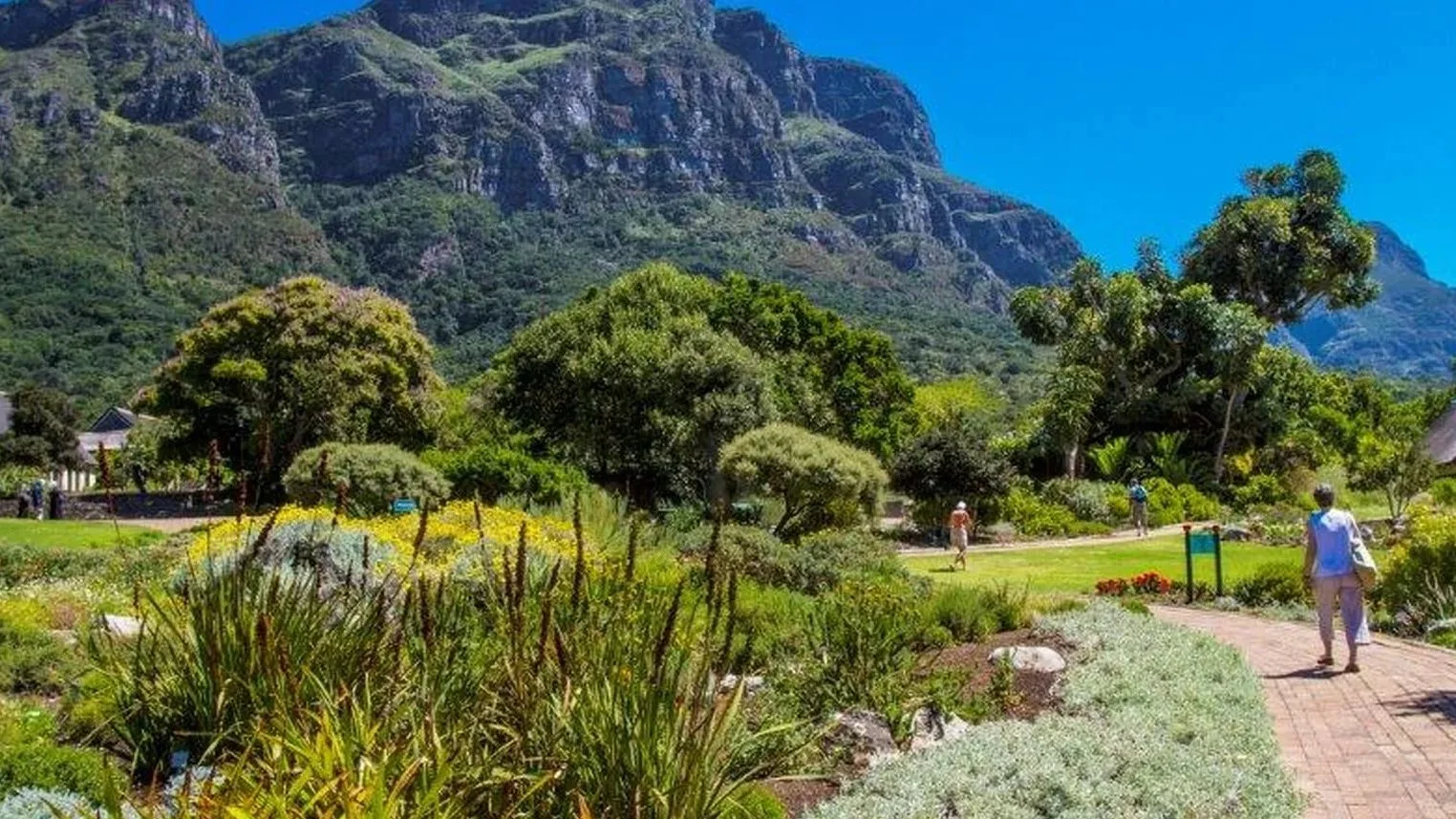
The Southern Suburbs are where Cape Town’s investment story shifts from sea-view yield toward family stability. Tucked on the eastern flank of Table Mountain, the corridor is defined by oak-lined streets, the University of Cape Town, leading cricket and rugby grounds at Newlands, and the densest concentration of top schools anywhere in South Africa.
The corridor asks a buyer to invert the usual Cape Town trade-off. You accept a modelled 4% to 6% gross instead of the seaboard’s 9.7%, and a short-let market that barely functions, in exchange for a tenant pool that renews every academic year and a catchment address that a family will queue for. The metro investment guide frames the city-wide numbers this corridor trails; the semigration guide owns the province-level growth case that makes the demand structural rather than seasonal.
What that means in practice is an underwriting order specific to the school belt. Rent follows the academic calendar, so a February vacancy behaves differently from a July one. Erf size drives price more than finish quality, because the buyer competing with you is a family that needs the garden. And the corridor’s resale liquidity is set by school admission cycles rather than by the tourist season that governs the coast.
What do the 2025 to 2026 numbers say about the corridor?
The corridor’s own numbers are narrower and more useful than the province-wide ones. Rondebosch and Claremont model roughly 5% to 6% gross, Newlands 4% to 5%, Constantia under 4%, and the whole belt sits 15 to 25 minutes from the CBD, which is what separates it from the Winelands as a commuting proposition.
| Corridor metric | Figure | What it signals |
|---|---|---|
| Rondebosch and Claremont modelled gross | ~5% to 6% | Best income in the corridor, UCT-driven |
| Newlands modelled gross | ~4% to 5% | Prestige premium, lowest vacancy |
| Constantia estate modelled gross | under 4% | Priced on erf, income is secondary |
| Mowbray and Rosebank modelled gross | ~5.5% to 6% | Closest UCT walk-up stock |
| Kenilworth and Wynberg modelled gross | ~4.5% to 5.5% | Value family stock, southern end |
| Drive time to Cape Town CBD | ~15 to 25 min | The commute the Winelands cannot match |
| Suburbs in the corridor | around 18 | Woodstock in the north to Steenberg in the south |
| Non-resident bond ceiling | ~50% | Plan offshore capital accordingly |
Two of those rows deserve a caution. The 15 to 25 minute drive time is an off-peak figure, and the M3 in the morning school run turns it into something closer to 40 minutes from Constantia. And the modelled gross bands assume a long lease at market rent, which in a UCT suburb means underwriting eleven months rather than twelve unless the unit also lets over the December break.
Which suburbs make up the Southern Suburbs?
Around eighteen suburbs run from Woodstock in the north to Steenberg in the south, along the eastern flank of Table Mountain. Four of them anchor the market and set the pricing everything else references: Rondebosch and Claremont model roughly 5% to 6% gross, Newlands nearer 4% to 5%, and Constantia estate homes under 4%.
| Suburb | Position in the corridor | Character of the stock | Where we cover it |
|---|---|---|---|
| Woodstock | Northern edge, closest to the CBD | Converted warehouses, semis, block-by-block pricing | Woodstock |
| Salt River | Beside Woodstock, industrial edge | Semis and light industrial conversion | City Bowl guide |
| Observatory | UCT and Groote Schuur belt | Victorian semis, student and hospital lets | Observatory Green |
| Mowbray | Between Obs and Rondebosch | Older flats, semis, closest UCT rental | this page, UCT-belt section |
| Rosebank | UCT walk-up belt | Student apartments, small houses | this page, UCT-belt section |
| Rondebosch | Corridor’s rental heart | UCT apartments and family homes | Rondebosch |
| Rondebosch East | East of the M5 | Value family stock, larger erven | this page |
| Newlands | Prestige green pocket | Family homes, boutique flats | Newlands |
| Claremont | Commercial and transport hub | Apartments, townhouses, family homes | Claremont |
| Bishopscourt | Above Claremont, mountain side | Large estate homes, the corridor’s top erven | this page |
| Kenilworth | Southern end of the retail belt | Family stock, racecourse frontage | this page |
| Wynberg | Village and the flatter east side | Two distinct markets either side of the line | this page |
| Plumstead | South of Wynberg | Entry family houses, strong turnover | this page |
| Diep River | Between Plumstead and Tokai | Compact family homes | this page |
| Bergvliet | Quiet residential grid | Family houses, school catchments | this page |
| Constantia | Green belt and wine estates | Estate homes, smallholdings | Constantia |
| Tokai | Forest edge, southern end | Family homes, retirement stock | this page |
| Steenberg | Southern boundary, golf estate | Estate and golf-estate homes | this page |
Two boundary notes matter when you compare listings. Woodstock and Salt River are counted into the Southern Suburbs by agents and into the City Bowl by the City’s own planning documents, so the same street appears in both search filters. And Pinelands, which sits east across the railway line, is usually marketed with the corridor although it is a separate garden-suburb development with its own body of stock.
Each anchor carries a different stock type, tenant pool, and reason to buy.
Rondebosch sits at the heart of the UCT belt. It pairs family homes with apartment stock that rents to students, academics, and young professionals. This is the corridor’s most rental-friendly suburb, with modelled gross near 5% to 6% on well-located apartments and very low vacancy in term time. See the Rondebosch area guide for stock types and levy checks.
Newlands is the prestige green pocket: cricket and rugby grounds, the brewery, Kirstenbosch nearby, and some of the wettest, leafiest streets in the city. Stock is family-heavy and tightly held, so yields are modest but vacancy risk is the lowest in the corridor. The Newlands area guide covers schools, forest access, and long-let underwriting.
Claremont is the commercial and transport hub, with the Cavendish retail node, the Metrorail and MyCiTi links, and a mix of apartments and family homes. It blends Rondebosch-style rental depth with stronger amenity, making it a balanced entry point for first-time corridor buyers. Read the Claremont area guide for transport and sectional-title stock.
Constantia is the green-belt estate market: large plots, wine farms, equestrian lifestyle, and the highest price points in the corridor. It is a capital-preservation and lifestyle play with the lowest modelled yields, often under 4% gross. Read the dedicated Constantia property investment area guide before you underwrite an estate purchase.
| Anchor suburb | Typical stock | Primary return driver | modelled gross |
|---|---|---|---|
| Rondebosch | UCT apartments, family homes | Student and academic rental depth | ~5% to 6% |
| Newlands | Family homes, boutique flats | Prestige, lowest vacancy | ~4% to 5% |
| Claremont | Apartments, townhouses, homes | Amenity plus rental balance | ~5% to 6% |
| Constantia | Estate homes, smallholdings | Lifestyle, preservation, schools | under 4% |
Who buys Southern Suburbs property, and why?
Three buyer types dominate the corridor, and they compete for different stock rather than bidding against one another. Semigration families chase school catchments, foreign education buyers want a Cape base near UCT and international-standard schools, and income investors target Rondebosch and Claremont apartments modelling 5% to 6% gross.
Semigration families leaving Gauteng and other inland provinces want top schools, security, and outdoor space without leaving easy reach of the CBD. They often pay cash or use a partial bond and hold for ten years or more. School catchment is frequently the deciding factor over price.
Foreign lifestyle and education buyers from the UK, Germany, the Netherlands, and Scandinavia want a Cape base near international-standard schools and UCT. South Africa offers no foreign buyer surcharge, which keeps the entry ticket cleaner than many European markets.
Income-focused investors target Rondebosch and Claremont apartments that rent to the perpetual UCT pipeline. Academics, postgraduates, and hospital staff at Groote Schuur create a long-term tenant pool distinct from tourism.
| Buyer profile | Typical stock | Primary return driver |
|---|---|---|
| Semigration family | Newlands or Constantia home | Schools, space, lifestyle |
| Foreign education buyer | Rondebosch or Newlands home | Preservation, currency, schools |
| Income-focused investor | Claremont or Rondebosch flat | modelled 5% to 6% gross long-let |
| Hybrid remote worker | Claremont apartment | CBD access plus amenity |
Why schools drive this corridor
Schools are the demand engine here, and they behave nothing like tourism or short-let cycles. Bishops, SACS, Rondebosch Boys, Westerford, and Herschel sit within a few kilometres of one another, and government school admission runs on feeder and catchment boundaries. That turns a specific address into an entry ticket, which is why families relocating from Gauteng shortlist streets rather than suburbs.
The demand also renews rather than peaks. Every academic year brings a fresh cohort of families who need to be inside a catchment, and they arrive regardless of how the tourist season went or where the rand sat. UCT and Groote Schuur layer a second, independent tenant pool of academics, postgraduates, and hospital staff on top of that, which is why the UCT belt carries the corridor’s deepest rental market.
The investment consequence is a trade you should make with your eyes open. Structural school demand supports resale prices and holds vacancy down, which is what carries the corridor through weaker cycles. It does nothing for gross yield, which models near 4% to 6% against Sea Point’s 9.7%. Buy here for the durability of the buyer pool at exit, and verify the catchment boundary in writing before you offer, because assuming an address sits inside one is the most expensive error in this market.
What rental yield can Southern Suburbs owners realistically model?
Southern Suburbs owners should model modelled gross near 4% to 6% on the corridor, with Rondebosch and Claremont apartments reaching 5% to 6% gross and net near 3.5% to 4.5% after levies, rates, vacancy near 8% to 10%, and management near 8% to 12%, while Constantia estate homes often model under 4% gross because rents do not scale with land value.
The Southern Suburbs are not a high-yield market. Use modelled numbers as planning tools only.
UCT-adjacent one-bedroom and two-bedroom apartments in Rondebosch and Claremont might model roughly 5% to 6% gross on achievable long-term rent, with net near 3.5% to 4.5% after levies, rates, vacancy near 8% to 10%, and management near 8% to 12%. Newlands family stock often models near 4% to 5% gross, and Constantia estate homes frequently model under 4% gross because rents do not scale with land value.
Student and academic demand from UCT is the income bright spot, but it is seasonal around the academic calendar, so budget for vacancy between leases. Underwrite long-term first, as set out in the long-term rental Cape Town guide, and confirm corridor-specific yield math against our Cape Town rental yield guide. The Southern Suburbs will not top a pure-yield ranking, and that is not a flaw if your portfolio needs a stable, growth-led anchor.
Southern Suburbs versus the rest of Cape Town
The corridor is best understood against the metro’s other personalities.
The Atlantic Seaboard and City Bowl chase tourism, short-let income, and sea views, with higher modelled yields and faster resale liquidity. The Southern Suburbs chase schools, space, and family stability, with lower modelled yields near 4% to 6% but very steady long-let demand and low tenant churn.
Compared with the Winelands, the Southern Suburbs offer a far easier commute, roughly 15 to 25 minutes to the CBD versus 45 to 60 minutes from Stellenbosch, while still delivering family space and school access. If you are weighing the corridor against wine-country estate living, read the Stellenbosch property investment guide for the side-by-side trade-offs on yield, lifestyle, and liquidity.
Many investors hold both ends of the spectrum: an Atlantic Seaboard or City Bowl unit for income and liquidity, and a Southern Suburbs home for semigration-driven growth and a calmer tenant profile.
Transport, access, and the emerging UCT-belt pockets
| Position | Typical buyer | modelled gross | |
|---|---|---|---|
| Mowbray and Rosebank | Closest to UCT and CBD | Student and pro rental investor | ~5.5% to 6% |
| Kenilworth and Wynberg | Southern end, value family stock | Semigration family on budget | ~4.5% to 5.5% |
Foreign buyers: financing, FICA, and repatriation
Foreigners buying in the Southern Suburbs face the same statutory framework as anywhere in Cape Town: no surcharge, the same SARS transfer duty scale that starts at 0% below R1,210,000, and the same conveyancing process. The corridor changes your financing plan rather than your legal position, because local lending to non-residents is capped near 50%.
Three numbers shape a non-resident purchase in this corridor. Transfer duty runs on the SARS scale in force from 1 April 2025, so a R4.5m Newlands family home attracts duty in the 11% band above R2,994,800 rather than a flat rate on the whole price. South African banks typically lend non-residents up to about 50% of value, which means roughly R2.25m of that purchase has to arrive as offshore capital through an authorised dealer, with FICA verification completed before transfer and a non-resident endorsement recorded so proceeds can be repatriated later. On exit, section 35A withholding applies to any price above R2m: 7.5% for an individual, 10% for a company, 15% for a trust, deducted by the conveyancer and set against the final capital gains assessment, where 40% of an individual’s gain is included in taxable income.
The practical path is documented in the buy Cape Town property as a foreigner hub, which covers eligibility, financing, exchange control, and the offshore-funding workflow end to end. The Southern Suburbs add no extra legal layer over the rest of the metro, only a different liquidity and yield profile at resale.
What belongs on your due diligence checklist?
| Check | Why it matters in the corridor |
|---|---|
| School feeder or catchment boundary | Drives both rental demand and resale premium |
| Sectional title levy and reserve trend | Older UCT-belt blocks can carry deferred costs |
| Special levies pending | Common in established apartment schemes |
| Heritage and zoning overlays | Many leafy streets carry heritage restrictions |
| Flood and stormwater history | Newlands and lower streets are the city’s wettest |
| Building plans on renovations | Verify approved plans before you offer |
Run the same sectional title levy audit, title search, and rates verification you would anywhere in the metro before you offer. The corridor’s charm and reputation do not remove legal or structural risk.
What are the pros and cons of Southern Suburbs property investment?
The corridor’s strengths and its weaknesses are two faces of one characteristic: demand comes from families who intend to stay.
Pros:
- Structural school and UCT demand that renews each academic year instead of tracking tourism.
- Low vacancy and low tenant churn on long lets, particularly in Newlands and the UCT belt.
- Western Cape growth of 179.6% from 2010 to September 2025 against Gauteng’s 79.7%, with this corridor capturing the school-led slice of it.
- A 15 to 25 minute run to the CBD, against 45 to 60 minutes from Stellenbosch.
- No foreign buyer surcharge, the same as anywhere in South Africa.
Cons:
- Modelled gross yields of 4% to 6%, and under 4% in Constantia, well below Sea Point’s 9.7%.
- Short-let income is weak, because the corridor is residential and school-led rather than tourist-led.
- Heritage overlays on many leafy streets can block the renovation your numbers assumed.
- Flood and stormwater history matters in Newlands and the lower streets, the wettest part of the city.
- Older UCT-belt sectional title blocks carry deferred maintenance and pending special levies.
Read the two lists together rather than separately. Nothing on the cons side is hidden or unusual, and every item on it is checkable before you make an offer. The yield gap is simply the price you pay for the stability sitting on the other side of the ledger.
Who should buy Southern Suburbs suit, and who should look elsewhere?
Fit here is decided by what you need the property to do.
The corridor suits a semigration family relocating from an inland province who needs a school catchment and can hold ten years or more. It suits a foreign buyer who wants a Cape base near international-standard schools and UCT, where preserving capital matters more than monthly cash. It suits an income investor willing to accept 5% to 6% modelled gross on a Rondebosch or Claremont apartment in exchange for a tenant pool of academics, postgraduates, and Groote Schuur staff that does not depend on tourist arrivals.
It suits you poorly if you are underwriting on yield alone. Anyone comparing headline percentages will see Sea Point at 9.7% modelled gross and conclude this corridor is mispriced. It is not mispriced, it is priced for a different buyer. It also suits you poorly if you want short-let flexibility, since the residential character and body corporate rules work against it, or if you may need to exit within a few years, because resale here rewards patience rather than timing.
If schools are not part of your thesis and cash flow is, the Atlantic Seaboard and City Bowl are the better read. If you want both, hold one asset in each.
What red flags should pause this Cape Town purchase?
- An address you assume sits in a top-school catchment without verifying the boundary.
- Yield quotes based on peak-season student demand only, with no off-cycle vacancy budget.
- Special levies pending on a sectional title block in the UCT belt.
- A lower-lying property with an undisclosed flood or stormwater history.
- Heritage overlay restrictions that block the renovation you modelled.
- Purchase without a non-resident endorsement when funding from abroad.
How to build a Southern Suburbs position
A sensible sequence:
- Decide whether the corridor is schools, semigration growth, or modest UCT-led income.
- Choose the suburb and format accordingly: Rondebosch or Claremont for yield, Newlands for prestige, Constantia for space and preservation.
- Verify the exact school catchment if family demand is your thesis.
- Model net yield with real levies, rates, vacancy at 8% to 10%, and management at 8% to 12%.
- Complete foreign-buyer paperwork and exchange control if applicable.
- Run full due diligence on heritage overlays, flood history, and body corporate health.
- Hold for a long cycle aligned with Western Cape growth, not a quick flip.
The Southern Suburbs reward patience and school-led conviction, and they punish yield fantasies. Used correctly, the corridor diversifies a Cape Town portfolio into the metro’s most stable, demand-resilient family market without pretending it is another Sea Point.
Insider tip: in the Southern Suburbs the school catchment does more for resale than the renovation does, so buy the address before you buy the kitchen. Cape Town Invest sees family stock inside the established school belt hold value and re-let faster than comparable homes a few streets outside it, which is why the corridor trades on structural demand rather than cash flow. Modelled gross yields here run near 4% to 6% against Sea Point’s 9.7%, so anyone underwriting this area on income has misread it. Rondebosch and Claremont sit closest to UCT and offer the best rental depth of the four; Newlands and Constantia trade yield for space and prestige. Foreign buyers pay no surcharge but should plan around a roughly 50% non-resident bond ceiling, which pushes more of the purchase onto offshore capital than most expect.
Frequently Asked Questions
The Southern Suburbs suit growth and lifestyle buyers more than high-yield hunters. The corridor pairs South Africa's best schools, the University of Cape Town, and leafy family suburbs that anchor semigration demand. Western Cape house prices rose 179.6% from 2010 to September 2025 versus 79.7% in Gauteng, and structural school-led demand supports resale. Modelled gross yields run near 4% to 6%, below Sea Point's 9.7%, so the case is capital preservation, schools, and long-hold growth.
It depends on your goal. Rondebosch and Claremont near UCT offer the deepest rental pools and the best modelled yields in the corridor, roughly 5% to 6% gross on apartments. Newlands trades yield for prestige, schools, and the lowest vacancy risk. Constantia is the green-belt estate market for lifestyle and capital preservation, with the lowest modelled yields under 4% gross. Match the suburb to whether you want income, schools, or a hard-currency lifestyle asset.
Yes. Foreigners buy freehold homes and sectional title units across Rondebosch, Newlands, Claremont, and Constantia with no foreign buyer surcharge, the same as anywhere in South Africa. Non-residents typically face a roughly 50% local bond ceiling and must introduce offshore funds through an authorised dealer bank. The title deed should be endorsed non-resident when purchase capital comes from abroad, which protects repatriation at exit.
The Southern Suburbs model lower gross yields than Cape Town's income suburbs. UCT-adjacent apartments in Rondebosch and Claremont may reach roughly 5% to 6% gross on a modelled basis, while Constantia estate homes often model under 4% gross because purchase prices are high relative to achievable rent. Net yields fall further after levies, rates, vacancy near 8% to 10%, and management near 8% to 12%. Treat the corridor as a growth and lifestyle allocation, not a cash-flow engine.
The Southern Suburbs hold many of South Africa's most sought-after government and private schools, including Bishops, SACS, Rondebosch Boys, Westerford, and Herschel. Catchment-zone addresses near these schools command durable demand from semigration families relocating from Gauteng, which supports both resale prices and long-term rental occupancy. School proximity is the single strongest structural driver in the corridor, distinct from tourism or short-let cycles.
The Atlantic Seaboard and City Bowl chase tourism, short-let income, and sea views, with higher modelled yields and faster resale liquidity. The Southern Suburbs chase schools, space, and family stability, with lower modelled yields near 4% to 6% but very steady long-let demand. Many investors hold both: the seaboard for income and liquidity, the Southern Suburbs for semigration-driven growth and a calmer tenant profile.
Short-term rental is weaker here than on the Atlantic Seaboard because the corridor is residential and school-led rather than tourist-led. UCT proximity supports semester and conference demand in pockets of Rondebosch and Mowbray, but long-term family and student leases are the core strategy. Underwrite a long-term lease first at modelled gross near 5% to 6% on apartments, and treat any short-let income as optional upside subject to body corporate rules.
We publish independent guides on Southern Suburbs strategy, foreign buyer eligibility, costs, yield math, and due diligence without developer commissions on editorial content. Use this hub together with the Constantia area guide, the foreign buyer hub, and the Cape Town rental yield guide to choose a suburb and format, then request a shortlist matched to your budget, school needs, and hold period.
Get a Cape Town property shortlist
Share your budget, target area (Atlantic Seaboard, City Bowl, Winelands), and goal. We reply within one business day with matched stock and next steps.