
Woodstock Property: The Occupancy Certificate, 2026
Woodstock is full of converted industrial buildings. Whether a conversion was approved and certified decides if you can finance, insure or resell the flat.
By Cape Town Invest Editorial · Updated September 7, 2026 · 10 min read
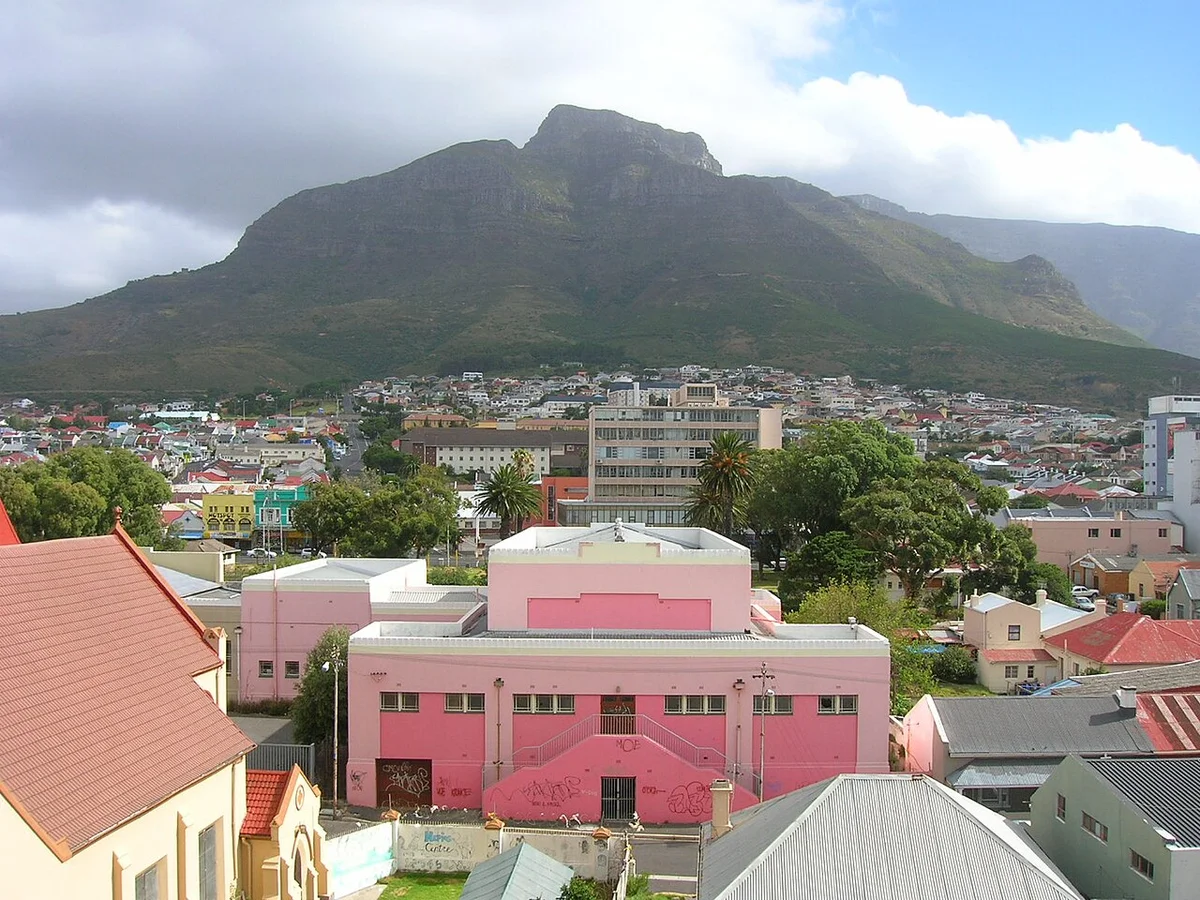
Quick answer: Woodstock’s defining investment question is paperwork rather than location. Much of its apartment stock came from converting industrial and commercial buildings, and whether a conversion has approved plans and a certificate of occupancy decides whether a bank will finance it, an insurer will cover it on standard terms and a future buyer can purchase it. Everything else about the suburb, including its strong 6.0% modelled net yield, sits downstream of that answer.
Why is the occupancy certificate the first question here?
Because Woodstock’s stock is not what it was built as. Warehouses, factories and commercial buildings have been converted into apartments across the suburb, and a conversion is only a legal dwelling once the City has approved the plans and issued a certificate of occupancy for the changed use.
Where that did not happen, the consequences reach past compliance into whether the asset works at all:
- Financing. A bank asked to bond an unapproved conversion frequently declines or requires the position to be regularised first.
- Insurance. Standard cover assumes a lawful, approved structure, and an insurer can decline or load a policy where use does not match approval.
- Resale. The next buyer’s bank asks the same question, so an unapproved unit has a smaller market and a longer sale.
- Municipal exposure. The City can require regularisation, and the cost and timeline belong to whoever owns the property when it asks.
Insider tip: ask for the approved plans and the occupancy certificate in the same breath as the price, and have your conveyancer verify them against the City’s own records rather than accepting the seller’s file. A seller who hesitates on this question in Woodstock has answered it. The due diligence guide covers what else belongs in the same request.
What does regularising a conversion involve?
Retrospective approval is possible and it is neither quick nor free. The owner applies to the City for approval of the as-built structure, which usually requires drawings prepared by a competent professional, and the application is assessed against current building regulations rather than the ones in force when the work was done.
Three things follow from that. The work may need physical changes to comply, which is a construction cost on top of a professional one. The timeline runs on the City’s schedule rather than a transaction’s, so a purchase contingent on regularisation needs a realistic suspensive condition rather than an optimistic one. And the outcome is not guaranteed, since some conversions cannot be brought into compliance without changes the building cannot accommodate. A buyer facing this should price it as a risk with a range rather than as a line item with a number, should build a suspensive condition around the City’s decision rather than around a date, and should be willing to walk away from an otherwise attractive unit.
How uneven is the regeneration actually?
Street by street, and the unevenness is the defining feature of the market rather than a caveat to it. A road with restored buildings, secure access, studios and a coffee shop can sit one or two streets from a road where none of that has arrived.
| What varies | Range within Woodstock | Why it matters |
|---|---|---|
| Street character | Fully regenerated to untouched | Sets tenant demand and rent level |
| Building security | Access control and cameras, or nothing | Decides which tenants will consider it |
| Body corporate quality | Well funded to barely functioning | Governs levies and future special levies |
| Resale depth | Active, or very thin | Determines exit timing |
The practical method is to abandon suburb-level thinking entirely. Verify transacted comparables for the exact block, walk the street in daylight and after dark, and read the body corporate financials and reserve fund before anchoring on any yield figure. Our reading of bowl-catchment purchases is that Woodstock rewards precision and punishes a blanket bet more than any other market in the area. The body corporate due diligence guide covers what to look for in the financials.
What is driving the demand underneath?
Two forces, and they reach different streets. The first is simple proximity and price: Woodstock sits minutes from the CBD along a rail line and the main arterials, so it houses people who work in the city and cannot pay City Bowl rents, which produces steady, year-round long-let demand.
The second is the creative and hospitality economy anchored by the Old Biscuit Mill and the surrounding design district, which brought studios, restaurants, galleries and weekend visitors into a formerly industrial area. That economy is real and it is also spatially limited: it has transformed the streets around it and left others untouched, which is precisely why the suburb’s averages mislead. An investor buying near that anchor is buying a different asset from one buying six streets away, at prices that do not always reflect the gap. For where Woodstock sits relative to the bowl proper, see the City Bowl guide.
What does the yield actually look like?
Woodstock models around 6.0% net, the firmest in the City Bowl catchment, and the reason is the ratio: entry prices are the lowest in a tenant pool that reaches CBD employment. On a R2.2 million converted apartment that yield assumes a levy that funds the building properly and a street that lets without a discount.
Change either assumption and the number moves sharply. A block deferring maintenance produces a special levy that removes a year of net; a street that has not turned produces a two-month void and a rent 15% below the comparable two roads away. The pros and cons here are unusually asymmetric: the upside is the best income in the bowl catchment, and the downside is entirely avoidable through documents and a walk. Municipal rates apply on the City’s 2026/27 basis, with the first R620,000 rates-free on homes valued at R8 million or less and a residential rate in the rand of about 0.0064 above it, which on a R2.2 million unit is roughly R840 a month. What the purchase itself costs a foreign buyer is set out in the pillar investment guide, and the levies guide covers what a scheme can and cannot recover through a special levy.
One further point applies to converted stock specifically. Industrial buildings were designed for a use that tolerated noise, vibration and heavy floor loads, and the conversion rarely changes the shell. Sound transmission between units in a converted warehouse can be markedly worse than in purpose-built residential stock, which affects tenant retention rather than rent at signing. Ask what acoustic separation was installed between units, and if nobody knows, treat the answer as no.
Sources: National Building Regulations and Building Standards Act 103 of 1977 for approval and occupancy certificate requirements; City of Cape Town budget 2026/27 adopted 29 June 2026 for the rates position. Yields are modelled and directional rather than audited. Verify approved plans and the certificate of occupancy against the City’s records before offering. Current as at 27 August 2026.
Frequently Asked Questions
Because a large share of Woodstock's apartment stock was created by converting industrial and commercial buildings, and not every conversion went through approved building plans and a certificate of occupancy. A unit without one can be difficult to bond, difficult to insure on standard terms and difficult to resell, since the next buyer's bank asks the same question. The paperwork is not a formality here, it is the difference between a financeable asset and a problem.
Ask for the approved building plans and the certificate of occupancy before making an offer, and have your conveyancer confirm them against the City's records rather than accepting the seller's copies. Where they do not exist, establish what retrospective approval would involve and cost, because that burden transfers to you at registration and the City applies its own timeline to it.
Block by block rather than uniformly, which is the single most important thing an investor can know about it. A regenerated street with secure buildings, cafes and studios can sit one or two roads from a street that has not turned at all. Suburb-level averages are close to useless as a result, and comparables must come from the specific block rather than from the suburb.
The firmest net in the City Bowl catchment, around 6.0%, because entry prices are the lowest in a tenant catchment that reaches the CBD. That number carries more execution risk than any other in the bowl, since it depends on the specific street, the specific building's security and the specific body corporate's competence rather than on the suburb performing.
Proximity and price. The suburb sits minutes from the CBD along a rail line and arterial routes, so it houses people who work in the city and cannot pay City Bowl rents. Layered on that is the creative and hospitality economy anchored by the Old Biscuit Mill and the design district, which draws visitors, studios and small businesses and supports the regeneration story on the streets it has reached.
Three things: the conversion paperwork, since it decides financeability; the body corporate's financials and security spending, which vary far more here than in established suburbs; and the assumption that a Woodstock address behaves like a suburb. It does not. Two properties 300 metres apart can have different tenant demand, different security requirements and different resale depth.
Get a Cape Town property shortlist
Share your budget, target area (Atlantic Seaboard, City Bowl, Winelands), and goal. We reply within one business day with matched stock and next steps.