
Observatory Apartments: Student Hub Investor Guide
Observatory Cape Town apartments: UCT corridor, 1,300+ pipeline units, Paragon Main Rd, modelled yields, supply risk, foreign buyer DD.
By Cape Town Invest Editorial · Updated August 21, 2026 · 11 min read
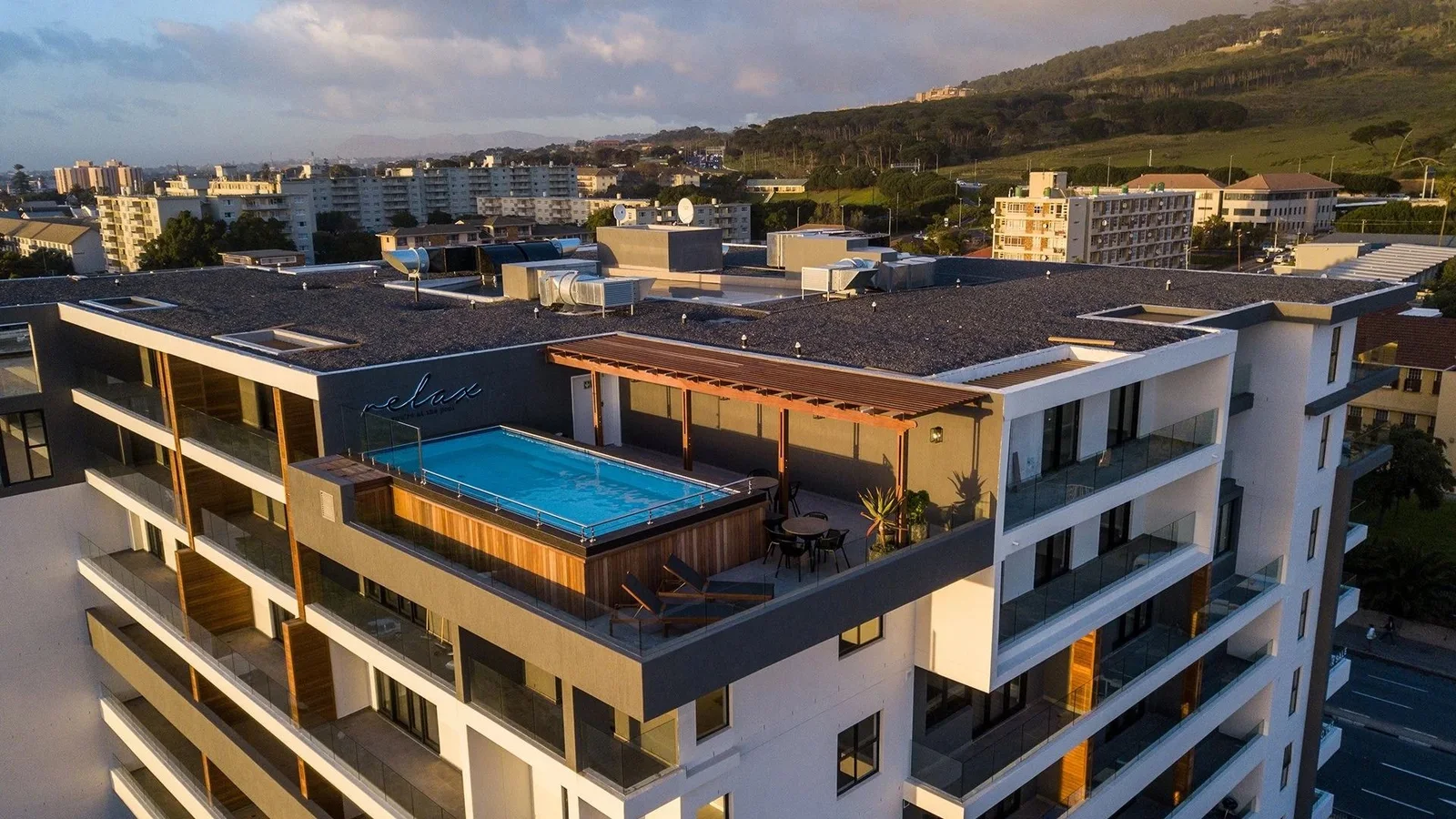
Quick answer: Observatory is a student-and-professional apartment corridor beside UCT, not a single verified “Observatory Green” off-plan launch. The OCA housing report cites ~1,300 units pending approval alongside Paragon Main Road and Observatory Court pipeline. modelled yields can look attractive; supply risk is the moat test.
What numbers define Observatory in 2026?
| Metric | Indicative figure | Source / signal |
|---|---|---|
| Apartments added since 2010 | About 1,200 | OCA housing stock report 2025 |
| Units pending approval | About 1,300 | OCA housing stock report 2025 |
| Paragon scheme | 9 storeys, 423 Main Rd | OCA cited approval |
| Observatory Court | 150+ units | OCA pipeline list |
| Madison / Eden | Trill Road | OCA pipeline list |
| modelled gross (compact) | About 6% to 8% | Yield suburbs guide |
| modelled net | About 4% to 6% | After levies and voids |
| Primary tenants | Students, hospital staff | UCT + Groote Schuur |
| Foreign surcharge | None | SA policy |
How can you tell real Observatory pipeline from portal noise?
Council-cited schemes carry a planning footprint; portal names do not. The Observatory Civic Association 2025 housing stock report lists Paragon at 423 Main Road as 9 storeys, Observatory Court above 150 units, and Madison or Eden on Trill Road, against roughly 1,200 apartments added in 15 years. Unbranded portal listings are marketing shells.
Treat an unverified name as spam until you confirm NHBRC enrolment, a physical site, and a named professional team, rather than a funnel with POA pricing.
Before you wire a deposit, separate three buckets:
Council-cited pipeline, Paragon at 423 Main Road, Observatory Court, Madison/Eden on Trill Road, and other schemes the Observatory Civic Association lists in its 2025 housing stock update. These have planning footprints you can trace through municipal records and local civic commentary.
Completed resale stock, 1960s to 2000s walk-up blocks and newer infill. Underwrite each body corporate separately; many ban Airbnb or limit leases to 12 months.
Unverified portal names, Including generic “Observatory Green” funnels on third-party off-plan sites without a developer home page, NHBRC enrolment number, or identifiable professional team. Treat as spam until proven otherwise.
Who rents Observatory and what letting strategy works?
Observatory tenants are UCT students on February to November cycles with higher voids in December and January, Groote Schuur and academic hospital staff wanting Lower Main Road cafés without Atlantic Seaboard prices, and young professionals trading sea view for walkability. Academic-year leases can spike gross yield during peak season but you must model two months of partial void per year; professional 12-month leases deliver lower gross but lower turnover cost and work better in newer schemes with parking and security. Short-stay Airbnb often runs into conduct rule restrictions in established Observatory blocks, so verify body corporate STR rules before you buy for that income model. Observatory rents typically sit 20 to 30 percent below Sea Point and Green Point comparables on a per-square-metre basis because the suburb lacks beach proximity, but tenant depth stays high from the university and hospital anchor.
Observatory rents to UCT students, Groote Schuur and academic hospital staff, and young professionals who want Lower Main Road cafés without Sea Point prices. Letting strategies split three ways:
Academic-year leases, February to November cycles with higher void in December-January. modelled gross can spike in peak season; net must include two months of partial void.
Professional 12-month leases, Lower gross, lower turnover cost. Works in newer schemes with parking and security.
Short-stay, Often restricted by conduct rules; verify before you buy for Airbnb.
Cross-read the City Bowl investment guide for how Observatory fits the wider bowl fabric.
How does Observatory supply risk affect rent underwriting?
When the Observatory Civic Association reports roughly 1,300 units pending approval on top of about 1,200 apartments added since 2010, your rent projection must stress-test new supply absorbing into a finite tenant base of students and hospital staff. Use trailing 12-month rents, not one summer peak quote, and stress-test a 10 percent rent decline scenario where the next two towers hand over keys and compete for the same UCT February intake. Add one month of void per year for student-cycle stock versus professional leases, and compare levies on new builds carrying solar and backup power that lift monthly costs by R500 to R1,200 but support higher rents, against 1990s walk-ups with lower levies but higher maintenance surprises. Observatory modelled gross yields of 6 to 8 percent on compact units compress to 4 to 6 percent net after levies, voids, and tenant turnover, so the investment case depends on whether rent holds or softens as 1,300 pending units complete.
When OCA reports ~1,300 units pending approval, the investment question is not whether Observatory is popular but whether your rent still clears the bond after the next two towers hand over keys.
Practical underwriting:
- Use trailing 12-month rents, not one summer quote.
- Stress-test 10% rent decline on new supply.
- Add one month void per year for student stock.
- Compare levies on new builds versus 1990s walk-ups, new schemes often carry solar and backup power that lifts levies but supports rents.
Who should buy Observatory apartments and who should avoid portal-only names?
Observatory suits student-income buyers wanting 1 to 2 bed units with security who accept turnover, long-hold professional landlords targeting parking and 12-month leases in proven pipeline schemes, and foreign buyers who avoid portal-only Observatory Green names and use off-plan guide checklists. Yield maximisers must stress-test roughly 1,300 pending approval units against trailing rents because modelled 6 to 8 percent gross on compact units often compresses to 4 to 6 percent net after levies and voids.
Pros: UCT and hospital tenant depth; lower entry than Atlantic Seaboard; walkable Main Road amenity; modelled gross can beat seaside on compact units; no foreign buyer surcharge.
Cons: Heavy approval pipeline near 1,300 units; student turnover and seasonal voids; unverified off-plan marketing; Main Road noise and parking pressure; levies vary widely by building age.
The student-income buyer wants 1-2 bed units with security and laundry; accepts turnover. The long-hold professional landlord targets parking plus 12-month leases in newer pipeline schemes with proven developers. The foreign buyer avoids portal-only names and uses off-plan and cost guide checklists.
What red flags should Observatory buyers treat as stop signals?
Four red flags are stop signals on an Observatory deal: a deposit on a name with no developer identity or NHBRC number, a brochure yield quoted before levies and voids, a body corporate that bans short-lets, and a top-floor unit on the bar strip. Gross of 6% to 8% compresses to 4% to 6% net.
- Deposits on “Observatory Green” without developer identity or NHBRC proof.
- Brochure yields without levy and void adjustments.
- Ignoring body corporate short-let bans.
- Buying the highest floor on a noisy bar strip without visiting at night.
Observatory versus adjacent nodes
Observatory trades sea proximity for tenant depth. Rents sit 20% to 30% below Sea Point and Green Point on a per-square-metre basis, while UCT is a 15 to 20 minute walk and Groote Schuur closer still. Mowbray is cheaper and closer to campus; Rondebosch carries a family premium and a thinner approval pipeline.
| Node | Walk to UCT | Ticket size | Tenant type | Supply risk |
|---|---|---|---|---|
| Observatory Main Rd | 15-20 min | Below Atlantic Seaboard | Students, creatives | High pipeline |
| Woodstock | 25 min | Similar to Obs | Professionals, design | Gentrification + pipeline |
| Mowbray | 10 min | Lower than Obs | Students | Established stock |
| Foreshore CBD | 15 min drive | Higher | Corporate | Amdec + HBW towers |
| Rondebosch | 10 min | Family premium | Academics, schools | Lower pipeline intensity |
Observatory wins on café culture and student depth; it loses on quiet streets and parking. Underwrite accordingly.
Academic calendar and cash-flow timing
South African universities run February to November with December-January void risk on student leases. Hospital rotations can backfill summer months if your unit is near Groote Schuur, but do not assume automatic occupancy.
Practical cash-flow model:
- Collect 11 months of rent in a conservative year-one budget.
- Budget one month agent re-letting fee every 24 months for student stock.
- Add R800-R1,500/month levy contingency on newer builds with backup power.
modelled 7% gross becomes 4.5% net quickly if you ignore those three lines.
What belongs on your planning diligence checklist?
An Observatory planning file is seven lines long: erf number and zoning matched to the City planning portal, the developer’s legal entity, NHBRC enrolment for off-plan, the named professional team, body corporate reserve forecasts, conduct rules on short-lets, and parking allocation. Budget 12 months of trailing rent evidence alongside it.
- Erf number and zoning on the offer: match to City planning portal.
- Developer legal entity: not a portal marketing alias.
- NHBRC enrolment for off-plan: enrolment number on contract.
- Professional team: architect, engineer, principal contractor named.
- Body corporate forecast: reserve fund for lifts, generators, façade.
- Conduct rules: short-let bans kill Airbnb thesis.
- Parking allocation: unbundled bays trade at premium in Obs.
If any line is missing, pause until your conveyancer confirms, especially on names like Observatory Green that do not map to a known sponsor.
Foreign buyers monitoring from abroad should video-walk the block at night and on a Saturday morning before they trust brochure quiet-zone claims. Lower Main Road sound carries into side streets more than agents admit on weekday noon tours.
Pair this market brief with the Woodstock area guide when comparing creative-corridor rents, and with the rental yield suburbs guide when sanity-checking agent gross figures against modelled Observatory bands.
What to verify next
Pull the exact scheme name from the seller, then confirm planning status, NHBRC enrolment for off-plan, body corporate financials for resale, and three live rental comparables on Property24 or similar. Model transfer duty via the cost guide and compare Foreshore CBD stock in Foreshore Place if your tenant profile is corporate rather than student. Non-residents should read the foreign buyer guide before making an offer on stock like this.
Frequently Asked Questions
Cape Town Invest could not verify a standalone, council-approved scheme marketed only as Observatory Green on a major developer site. Generic off-plan portals sometimes list placeholder names. Real Observatory pipeline includes Paragon's nine-storey scheme at 423 Main Road, Observatory Court with 150+ units, and Madison/Eden on Trill Road, per the Observatory Civic Association 2025 housing stock report citing about 1,300 units pending approval.
Observatory sits between UCT, Groote Schuur Hospital, and the N2 corridor into the CBD. It attracts students, young professionals, and hospital staff who want walkable cafés and lower entry prices than the Atlantic Seaboard. modelled gross yields on compact apartments can reach the high 6% to 8% band in our yield guide, but net falls after levies, voids, and student turnover.
The Observatory Civic Association housing stock report notes roughly 1,200 apartments added since 2010 and about 1,300 more in the approval pipeline. Concentrated new stock can soften rents on older buildings unless your unit has parking, security, or modern energy features. Underwrite on conservative rent, not peak student season only.
Yes. Foreigners face no buyer surcharge and may finance up to about 50% with a South African bond. Off-plan purchases need NHBRC enrolment, a build programme, and a conveyancer on the sectional title register. Resale stock needs body corporate levy and conduct rule review, especially for short-let restrictions.
Woodstock and Observatory share creative, walkable fabric but Observatory leans student and academic. Foreshore schemes such as Foreshore Place target CBD professionals with higher ticket sizes. Observatory suits smaller tickets and higher turnover letting; Foreshore suits semigration and corporate tenants willing to pay CBD premiums.
Get a Cape Town property shortlist
Share your budget, target area (Atlantic Seaboard, City Bowl, Winelands), and goal. We reply within one business day with matched stock and next steps.