
Somerset West Property: Inside the Metro Line
Somerset West is the Helderberg town inside the City of Cape Town, so metro rates apply while its winelands neighbours sit under other municipalities.
By Cape Town Invest Editorial · Updated September 7, 2026 · 10 min read
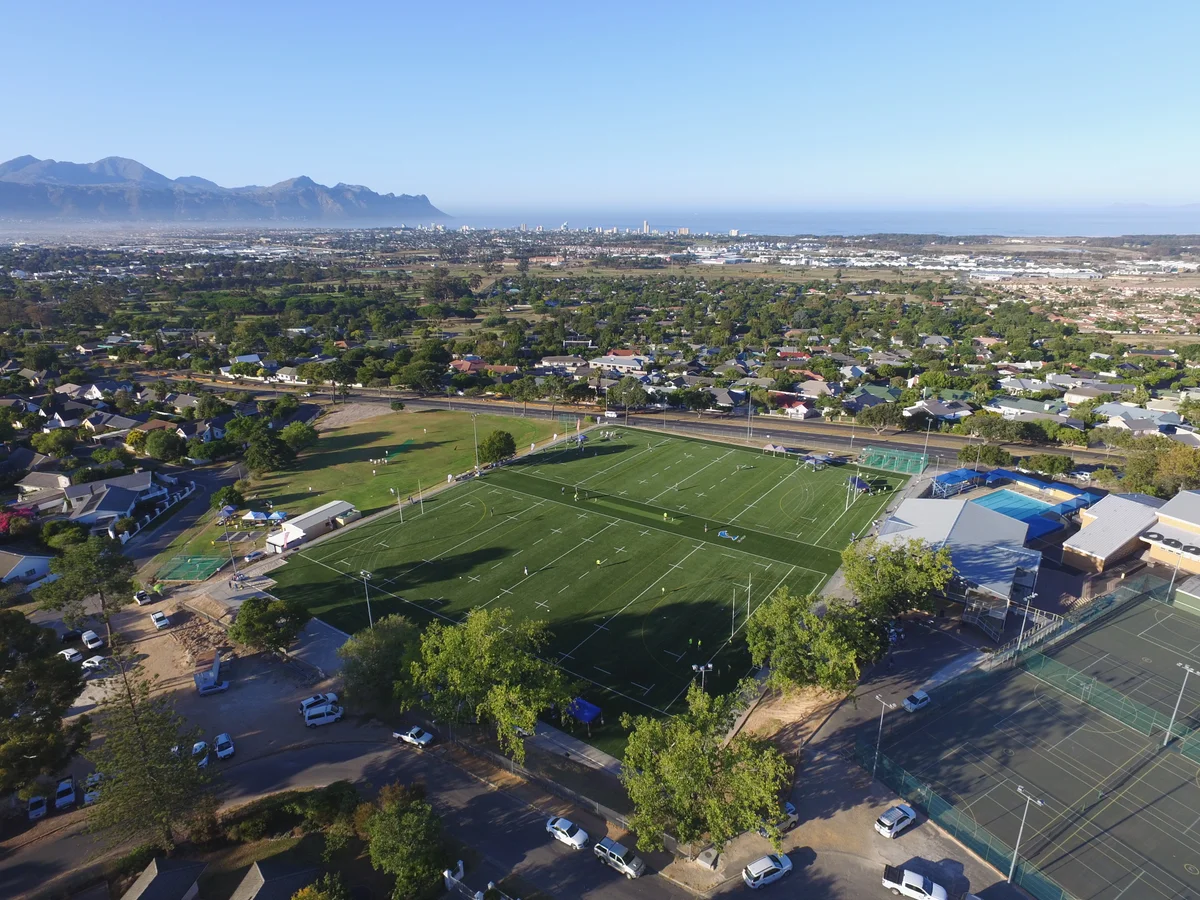
Quick answer: Somerset West is the one Helderberg town inside the City of Cape Town, and that is its most useful distinguishing fact for a buyer comparing across the region. Metro rates, metro service tariffs, the City’s valuation cycle and the City’s by-laws all apply here, while Paarl, Franschhoek and Hermanus each answer to a different municipality with different numbers. The town itself is a steady retirement, family and semigration market.
Why does the municipal boundary matter here?
Because Somerset West is the exception among the Cape’s satellite towns, and buyers routinely compare it against neighbours that operate under entirely different rules. Being inside the City of Cape Town means metro figures apply directly rather than approximately.
| Town | Municipality | Whose rates apply |
|---|---|---|
| Somerset West | City of Cape Town | Metro: R620,000 rates-free to R8m, about 0.0064 in the rand |
| Paarl | Drakenstein | Own roll, increases capped at 3.7% for 2026/27 |
| Franschhoek | Stellenbosch | Own roll, own rebate and pensioner schemes |
| Hermanus | Overstrand | 0.005237 in the rand, R350,000 threshold |
Three practical consequences follow. Metro rates guidance found on any Cape Town property page is the correct guidance for a Somerset West property, which is not true of the other three. The valuation and objection cycle a Somerset West owner must track is the City’s, covered in the valuation objection guide. And City by-laws reach the property, including the draft short-term letting framework, where a Hermanus owner answers to Overstrand instead. The rates and taxes guide sets out the metro calculation in full.
What does the Lourens River add and take away?
The river runs through the town and defines a floodplain, and it is simultaneously a protected natural corridor and an amenity that supports value on the streets near it. Both facts matter to a buyer and they pull in opposite directions.
The practical step is specific rather than general: confirm where the erf sits relative to the City’s floodline mapping, and raise the answer with an insurer before making an offer rather than after. Flood exposure affects the premium and, in some positions, whether standard cover is available at all, and it is one of the few risks where a seller’s reassurance carries no weight because the mapping is public and objective. Insider tip: ask the insurer for a written indication rather than a verbal one, and ask specifically about escalation after a flood event elsewhere in the catchment, because insurers reprice areas rather than individual properties.
Who is buying, and what does that do to the market?
Retirees, families and semigration households, and the mix produces a market that behaves differently from the metro’s. The town carries a large share of secure estates and retirement developments, established schools and medical facilities, and sits within reach of both Cape Town and the winelands.
That combination gives Somerset West unusually steady demand. Turnover follows life events, health and family rather than job moves or interest-rate cycles, so the market moves slowly in both directions: it does not spike when rates fall and it does not empty when they rise. For a long-hold owner that stability is the product. For anyone expecting the growth rates the Atlantic Seaboard has produced, it is not the right town, and the semigration guide covers where the inland-to-coast flow lands hardest.
What does the estate share do to holding costs?
Estate stock dominates parts of Somerset West, and an estate levy behaves differently from a sectional title levy on an apartment block, which catches buyers moving from the metro.
- What it covers typically runs wider: perimeter security, gate access, road maintenance inside the estate, landscaping of common areas and sometimes clubhouse or recreational facilities.
- What it does not cover is the individual home, so a buyer still funds their own roof, garden and maintenance on top of the levy.
- How it moves depends on the estate’s own governance and reserve position rather than on the City, and estates with ageing infrastructure raise levies the same way schemes do.
The pros and cons are worth weighing deliberately. An estate delivers security and predictability that a freestanding suburban property does not, and it adds a monthly cost that is not optional and not negotiable. Ask for three years of levy history and the estate’s reserve position, exactly as you would for a sectional title scheme.
How does the town divide internally?
Somerset West is larger and more varied than its neighbours, and the divisions inside it matter more to a buyer than the town-level average does.
| Area | Character | Who it suits |
|---|---|---|
| Historic core and older suburbs | Established freehold, mature gardens | Families wanting space and schools |
| Secure estates | Modern build, estate levy, controlled access | Retirees and security-focused buyers |
| Somerset West business node and surrounds | Apartments and townhouses | The town’s main rental stock |
| Toward Strand and the coast | Mixed, closer to the beach | Lifestyle buyers, some holiday demand |
The third row is where most investment activity belongs, because it holds the stock that lets. A buyer looking for income in Somerset West should be looking at townhouses and apartments near the business node rather than at estate homes, which are priced by owner-occupier demand and let poorly relative to their cost. Our reading is that this distinction explains most of the disappointment investors report in Helderberg purchases: they bought the town’s best-known product and expected the yield of a different one.
What returns does the town produce?
Yields sit below the City Bowl catchment, and the reason is who sets the price. Entry prices in Somerset West are supported by owner-occupiers, retirees and semigration buyers rather than by what tenants can pay, so the ratio between price and achievable rent is less favourable than in a suburb built on rental demand.
The rental market is modest but genuine, drawn from families, professionals working in the Helderberg business nodes and people testing the town before committing to it, and it lets year-round rather than seasonally. Municipal rates on a R4,500,000 home run roughly R2,070 a month at the 2026/27 metro rate after the rates-free portion, which is a straightforward number to model precisely because the metro rules apply. For the two winelands markets that do not share those rules, see the Paarl page and the Hermanus page; for what a purchase costs a foreign buyer, the pillar investment guide.
Sources: City of Cape Town budget 2026/27 adopted 29 June 2026 for the metro rates position; Overstrand Municipality 2026/27 budget and Drakenstein Municipality 2026/27 budget proposals for the comparison; City of Cape Town floodplain mapping for the Lourens River. Confirm the erf’s floodline position and the insurer’s written view before offering, and obtain the estate’s levy history where applicable. Current as at 27 August 2026.
Frequently Asked Questions
Yes, and that separates it from most of its winelands and coastal neighbours. Somerset West falls inside the City of Cape Town metro, so the City's rates policy, valuation roll, service tariffs and by-laws apply to it, while Paarl sits in Drakenstein, Franschhoek in Stellenbosch and Hermanus in Overstrand, each with their own tariffs and rebate structures. For a buyer comparing across the region, it is the one Helderberg option where metro figures are the right figures.
Three things. Rates are calculated on the City's 2026/27 basis, with the first R620,000 rates-free on homes valued at R8 million or less and a residential rate in the rand of about 0.0064 above that. City service tariffs and the City's valuation and objection cycle apply. And the City's by-laws, including the draft short-term letting framework, reach the property, where a Hermanus or Franschhoek owner answers to a different council entirely.
It defines a floodplain through the town, and properties near it should be checked against the City's floodline mapping before an offer. The river is also a protected natural asset and an amenity, so proximity cuts both ways. The practical step is to confirm the erf's position relative to the 1:100-year floodline and to raise it with an insurer, because flood exposure affects both premium and, in some positions, insurability.
Retirees, families and semigration households, in roughly that order of visibility. The town carries a large share of secure estates and retirement developments, good schools and medical facilities, and it sits within reach of both the metro and the winelands. That mix produces steady, unspectacular demand that is less rate-sensitive than the metro average and turns over on life events rather than job moves.
A modest but genuine one. Demand comes from families, professionals working in the Helderberg and Somerset West business nodes, and people testing the town before buying, so it lets year-round rather than seasonally. Yields sit below the City Bowl catchment because entry prices are supported by owner-occupier and retirement demand rather than by what tenants can pay.
The erf's position relative to the Lourens River floodline and the insurer's view of it; whether the property sits inside a secure estate and what the levy covers, since estate stock dominates parts of the town; the current City valuation, because metro rates apply here unlike in the neighbouring towns; and the drive to the CBD or the airport at the hour it would actually be made, since the N2 congests heavily at peak.
Get a Cape Town property shortlist
Share your budget, target area (Atlantic Seaboard, City Bowl, Winelands), and goal. We reply within one business day with matched stock and next steps.