
Mont Reve Sea Point: A Hotel Inside Your Building
Mont Reve review: 116 units over 8 floors in Sea Point, completed 2025, sold out and fully let, with a hotel component that changes the governance question.
By Cape Town Invest Editorial · Updated September 7, 2026 · 12 min read
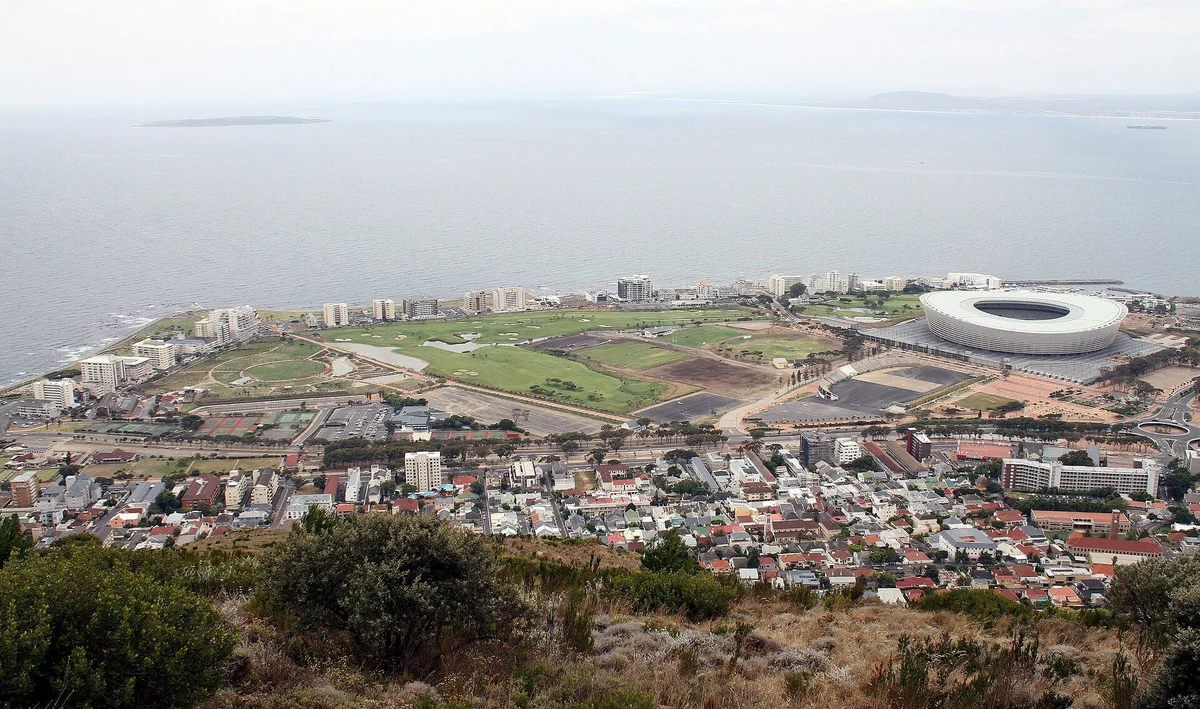
Quick answer: Mont Reve is a 116-unit building over eight floors in Sea Point, finished in 2025 by Berman Brothers, and it is both sold out and fully let. Anyone searching for it now is looking at a resale or a sublet. The feature that should shape the decision is not the finish level but the hotel operation inside the building, which changes how the scheme is governed and how its costs are shared.
What Mont Reve is
A mixed building, and the mix is the point rather than an afterthought.
| Units | 116 |
| Floors | 8 |
| Completed | 2025 |
| Location | Sea Point, Atlantic Seaboard |
| Developer | Berman Brothers Group |
| Unit types | Studio, one, two and three-bedroom, penthouse |
| Retail at street level | About 1,500 square metres |
| Status | Sold out and fully let |
The retail component is worth pausing on. A Sea Point block with 1,500 square metres of curated shopping and dining at its base, including the return of New York Bagels, is contributing to the street rather than presenting a garage door to it. In a corridor where much of the older stock meets the pavement with parking, that is a durable advantage and one of the few building-level features that reliably survives into resale value.
What the hotel inside the building actually changes
Two populations, two rhythms, and a governance structure that has to hold both.
Mont Reve runs a hotel operation alongside the apartments, with concierge services and fully furnished residences for guests. Rather than pretending the two groups are the same, the building separates the amenity:
| Pool | Floor | Who uses it |
|---|---|---|
| Hotel pool | Second | Hotel guests |
| Residents’ pool | Seventh | Apartment residents |
| Penthouse pool | Eighth | Penthouse residents |
That is a deliberate design answer to the standard complaint in mixed schemes, which is that residents end up sharing their facilities with a rotating population of visitors. Segregating by floor and user group is more expensive to build than one shared pool and it removes the friction that usually surfaces at the third AGM.
For a buyer the questions that remain are financial and constitutional rather than recreational:
- How are costs apportioned between the hotel and residential components, and does the split reflect actual usage of lifts, security and common areas?
- How does voting work where two very different owner interests sit in one scheme?
- What happens if the hotel operator changes, and what does the scheme’s structure oblige a successor to do?
None of that is in a brochure. It is in the sectional title register, the conduct rules and the body corporate budget, and the body corporate due diligence guide sets out how to read them.
Insider tip: in a building with a commercial operator inside it, ask for the last two AGM minutes rather than only the current budget. Minutes show you what the two owner groups have actually argued about, which is the best available forecast of what they will argue about next.
Buying now means buying from an owner, not a developer
Which changes the cost stack before it changes anything else.
The developer sale is gone: Berman Brothers marks the scheme sold out and fully let. So the routes in are a resale from an existing owner or, for a tenant, a sublet when one appears.
The financial consequence is the same one that applies across sold-out schemes and is routinely missed. A developer sale from a VAT-registered developer carries VAT inside the price and no transfer duty. A private resale carries transfer duty on the SARS scale and no VAT. On a Sea Point apartment those are materially different numbers, and the transfer cost calculator works out the difference at any price. The off-plan guide covers cessions and resales as routes.
The size of that gap is worth stating. A developer sale carries 15% VAT inside the price and no transfer duty; a private resale carries duty on the SARS scale and no VAT, and at Sea Point prices that lands in the upper bands rather than the entry ones. A non-resident meets a second limit at the same time, because South African banks typically cap lending near 50% loan-to-value, which moves the cash requirement rather than the purchase cost.
The second consequence is availability. A fully let building with 116 units produces a thin and irregular supply of resales, so the practical approach is to register interest with agents active in the block rather than to wait for a portal listing.
Whether you can short-let your own unit
A separate question from the hotel, and decided elsewhere.
The presence of a professional hotel operation in the building tells you nothing about whether an individual owner may list their apartment on a nightly platform. That is decided by two things: the conduct rules registered against the sectional title scheme, and the City of Cape Town by-law position.
A body corporate can restrict or prohibit short stays by special resolution, which the body corporate Airbnb rules guide explains, and the City’s registration requirements sit on top, which the short-term rental rules guide covers. In a building that already earns from hospitality through a dedicated operator, there is an obvious commercial reason for the scheme to restrict owners from competing with it, so this is a question to settle in writing before you buy rather than after.
Where this sits in the Sea Point market
In the newest tier of a corridor whose stock is mostly decades old.
Sea Point is the densest apartment market in Cape Town and one of the few places where a foreign buyer, a local investor and a long-term tenant all want the same building. Most of the supply is older, which means a 2025 completion with modern services, secure parking and air-conditioning is competing on a small field. The Sea Point page covers the local market and the Atlantic Seaboard guide places it in the corridor.
For the developer’s wider record, including the other two Sea Point schemes it has delivered, see the Berman Brothers page. Levies are the line that decides net yield on any sectional title purchase here, and the levies guide sets out what to ask for.
Sources: unit count, floor count, completion year, Sea Point location, the residential and hotel mix, the three-pool arrangement and its user allocation, the roughly 1,500 square metres of retail, the concierge and furnished-residence hotel offer, resident reception, secure parking and air-conditioning, the unit type range, and the sold-out and fully-let status, all from Berman Brothers Group’s own published project page, read 7 September 2026. Transfer duty, VAT and body corporate positions are as set out in the linked guides. Availability changes; confirm the current position with the developer or an agent active in the building.Body corporate, duty and VAT detail lives in the linked guides. This is information and not advice. Accurate to 7 September 2026.
Frequently Asked Questions
A 116-unit residential development over eight floors in Sea Point on the Cape Town Atlantic Seaboard, completed in 2025 by Berman Brothers Group. It mixes apartments with a hotel operation and roughly 1,500 square metres of retail at street level, and the unit mix runs from studios through one, two and three-bedroom apartments to penthouses.
Not from the developer. Berman Brothers marks the development as sold out and separately notes that it is fully let, so both the purchase and the rental routes through the developer are closed. What remains is the resale and sublet market, which means a private transaction with transfer duty on the SARS scale rather than a developer sale, and a materially different cost stack at the front end.
It means the building has two populations with different rhythms and a governance structure that has to serve both. Mont Reve runs three separate swimming pools by user group: hotel guests on the second floor, apartment residents on the seventh, penthouse residents on the eighth. That segregation is a deliberate design answer to the usual friction in a mixed building. For a buyer the practical questions are how costs are apportioned between the hotel and residential components and how voting works, and both live in the sectional title documents rather than in the brochure.
The building already contains a professional hotel operation with concierge and fully furnished residences, which is a different proposition from an owner listing a flat on a nightly platform. Whether an individual owner may short-let their own unit is decided by the registered conduct rules and by the City by-law, not by the presence of a hotel next door. Read the conduct rules and the last two AGM minutes before assuming either way.
In Sea Point, on the Atlantic Seaboard, which is the densest apartment corridor in Cape Town and the one with the deepest tenant demand outside the City Bowl. The development includes about 1,500 square metres of curated retail at street level with boutique shopping and dining, so the ground floor is part of the offer rather than a blank wall, which is unusual in the corridor and tends to hold value.
Get a Cape Town property shortlist
Share your budget, target area (Atlantic Seaboard, City Bowl, Winelands), and goal. We reply within one business day with matched stock and next steps.