
TENONQ Sea Point: The Developer Page Blok Took Down
TENONQ is a completed Blok building in Sea Point whose developer page no longer exists. What is verifiable, what is not, and how to buy or rent in it.
By Cape Town Invest Editorial · Updated September 7, 2026 · 11 min read
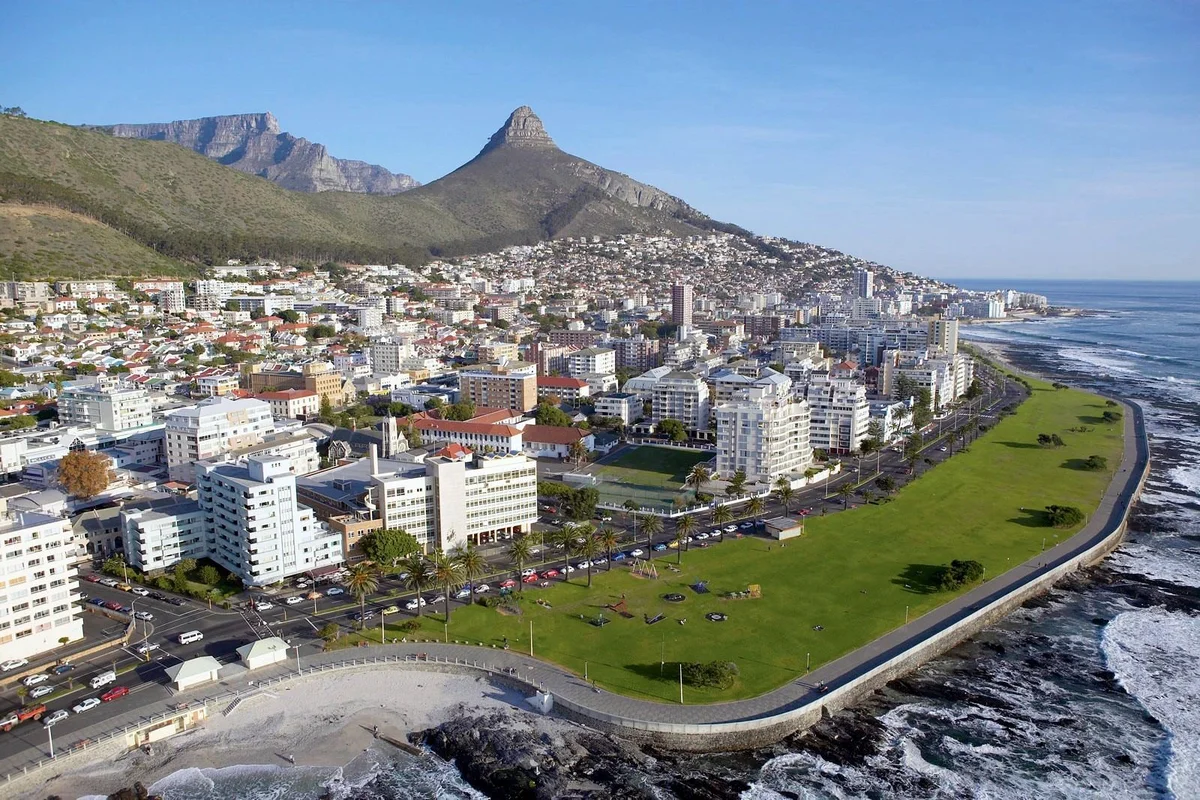
Quick answer: TENONQ is a completed Blok building in Sea Point. Blok has taken its page down, so unit count, floors and original prices are not published, and we do not invent them. Buying means a resale from an owner, and the document that decides whether that is a good idea is the body corporate’s file, not the brochure that no longer exists.
What can be verified, and what cannot
Worth separating, because most of what a search returns about this building is inference.
| Verifiable | Not published |
|---|---|
| A Blok development, listed in the developer’s own sitemap | Unit count |
| Located in Sea Point | Number of floors |
| Complete, with no developer stock | Launch pricing |
| The developer’s page for it now redirects to the homepage | Completion date |
We could fill the right-hand column from a portal listing or an old marketing page and nobody would check. We have not, because a number nobody can trace is worse than an acknowledged gap, and because the developer withdrawing its own page is itself the most useful fact on this page.
Insider tip: when a developer’s site has removed a scheme, the body corporate is the authoritative source for what the building actually contains. The managing agent can tell you the number of units, the levy and the arrears position in one call, and none of it depends on marketing material.
The sitemap problem behind the empty search results
Blok advertises 21 development pages that all redirect to its homepage.
This is worth stating because it explains why a search for TENONQ, or for any of Blok’s completed buildings, returns so little that is authoritative. The developer’s sitemap still lists every scheme URL. Every one of those URLs now serves a redirect to the homepage rather than a page about the building.
For a search engine that means twenty-one advertised addresses with no content behind them. For a buyer it means the most obvious source, the people who built it, has nothing to say. Our pages on ONEHUNDREDONM, 343 on B and NINEONS cover the three Blok buildings for which we hold verified detail from when those pages were live.
What Blok builds, and why the size matters more than the style
Small buildings in urban precincts, and small is the operative word.
Blok describes itself as an urban precinct developer, working across seven neighbourhoods over twelve years, with 22 developments, 1,089 homes built and 1,084 sold, from a staff of 42. It operates from 82 Main Road in Sea Point, which is the same market it builds in. The portfolio names, ONEONR, SIXONN, FORTYONL, TENONV, pair a number with a street initial.
The design attracts the buyer and the size sets the risk. In a scheme of twenty or thirty units, a single owner in arrears is several percent of the levy roll, one deferred maintenance decision falls on very few people, and the resale pool at any moment may be one apartment or none. The Blok developer page works through exactly what a small scheme concentrates.
Buying or renting in a completed building
Two routes, one of them irregular, and the same homework for both.
A resale is a private transaction with an existing owner. It carries transfer duty on the SARS scale plus conveyancing, where a developer sale would have carried 15% VAT inside the price and no duty, so the front-end cost is heavier than the original buyers met. At Sea Point levels that lands in the upper bands: a R3,000,000 flat attracts 11% on the slice above R2,994,800, and a R5,000,000 one considerably more. A non-resident meets a second limit, because local banks rarely fund past 50% of value, and a letting agent takes 8% to 10% of rent if you let rather than occupy. The transfer cost calculator prices that at any figure. A rental depends on an owner listing, which in a small building is irregular.
Four documents decide whether a resale here is a good one:
- The last two AGM minutes, which show what the owners have actually disagreed about.
- The levy history, because a small scheme’s levy moves more sharply than a large one’s.
- The reserve fund position, which decides whether the next roof arrives as a special levy.
- The arrears schedule, which in a twenty-unit building is a concentration risk rather than a statistic.
The body corporate due diligence guide covers how to read all four, and the levies guide covers what the numbers should look like.
Advantages and disadvantages of a small Sea Point scheme
The scarcity that supports the price is the same thing that thins the market.
The advantages: a design-led building in the densest and most consistently demanded apartment market in Cape Town, few competing units when you come to sell, and an owner body small enough that decisions get made. The disadvantages: every shared cost lands on very few owners, a single arrears case is material, the resale pool is thin in both directions, and in this specific case the developer has published nothing about the building since it sold out.
Sea Point itself is the strongest part of the case. It is the deepest apartment market on the Atlantic Seaboard, drawing local buyers, tenants and foreign owners at once, and Blok has built into it for 12 years rather than arriving for one cycle. The Sea Point page covers the local market and the Atlantic Seaboard guide places it in the corridor.
Sources: TENONQ’s presence in Blok’s development sitemap, and the redirect of that URL and of all twenty other development URLs to the developer’s homepage, both verified directly on 7 September 2026. Blok’s self-description as an urban precinct developer, the twelve-year record, seven neighbourhoods, 22 developments, 1,089 homes built, 1,084 sold, 42 employees and the 82 Main Road address from the developer’s own website, read the same day. The Sea Point location is corroborated by search behaviour rather than by a developer statement, and the unit count, floor count, completion date and pricing are deliberately absent because the developer does not publish them. Ask the managing agent. Duty, VAT and body corporate detail sits in the linked guides. Information rather than advice. Verified 7 September 2026.
Frequently Asked Questions
A completed residential development by Blok in Sea Point on the Cape Town Atlantic Seaboard. It appears in Blok's own development sitemap alongside the rest of its portfolio, but the page for it now redirects to the developer's homepage, so unit count, floor count and original pricing are not published anywhere by the developer. We do not state them here, because we have not seen them.
Not from Blok. The development is complete and the developer no longer lists it, which means the only routes are a resale from an existing owner or a rental when one is advertised. A resale is a private transaction carrying transfer duty on the SARS scale rather than the VAT position a developer sale would have carried, so the cost stack at the front end is heavier than the original buyers faced.
The most likely reason is housekeeping rather than anything adverse: a developer that has sold out a scheme has no commercial reason to keep marketing it. What makes it worth noting is that Blok's sitemap still advertises all 21 development URLs while every one of them redirects to the homepage, so search engines are being pointed at pages that no longer exist. That is a defect on their side, and it is why a search for this building returns so little.
Small, design-led buildings in urban precincts rather than large estates. The company describes itself as an urban precinct developer with twelve years of work across seven neighbourhoods, 22 developments, 1,089 homes built and 1,084 sold, from a staff of 42. Its naming convention is a number and a street initial, which is why its portfolio reads as ONEONR, SIXONN, THREE43ONB and so on.
The body corporate, because in a small scheme every shared cost lands on very few owners. Ask for the last two AGM minutes, the current levy with its history, the reserve fund position and the arrears schedule. A boutique building concentrates the levy, the arrears and the resale pool onto you, which is the trade for the design and the scarcity.
Get a Cape Town property shortlist
Share your budget, target area (Atlantic Seaboard, City Bowl, Winelands), and goal. We reply within one business day with matched stock and next steps.